


Mosswood Meltdownm
Mosswood Park, Oakland
July 17 – 26, 2026
Photos by Raymond Ahner and Robert Lyons
Last weekend in Mosswood Park, punk once again proved itself to be more than a musical genre: it’s a living, breathing culture and community. Mosswood Meltdown was loud, eccentric, defiantly queer, and refreshingly multigenerational. Leather jackets mingled with homemade battle vests. Hair spanned the spectrum of every imaginable color. And girls dominated the crowd — surfing with a level of confidence that felt emblematic of the weekend itself. It was a celebration of punk’s past and its future all at once.
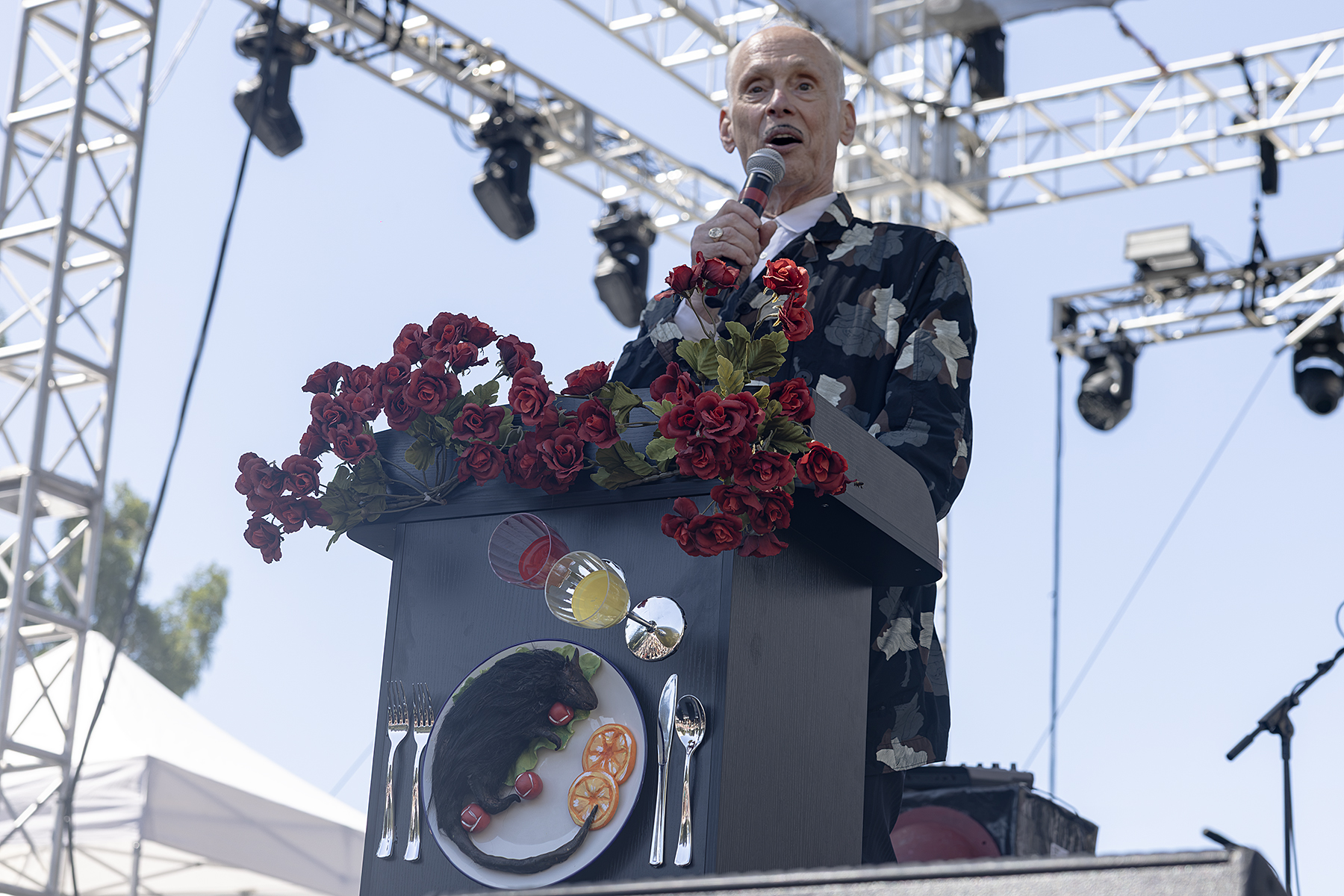
As always, guiding the festivities was legendary filmmaker and “Pope of Trash,” John Waters, whose artist introductions have become just as beloved as the performances themselves. Equal parts stand-up comedy, cultural history, and love letter to the artists, Waters’ witty monologues set the tone for a festival that prides itself on being unpretentious.
If John Waters served as master of ceremonies, the Oakland crowd was the festival’s beating heart. A beating heart with teeth that they showed off early on. Saturday, when a representative from one of the festival’s liquor sponsors stepped onstage, the reception was immediate: a chorus of boos rolled across the audience. Whether it was anti-corporate sentiment or simply punk’s fiercely independent ethos asserting itself, one thing was clear: this audience wasn’t interested in marketing pitches. They were here for punk.
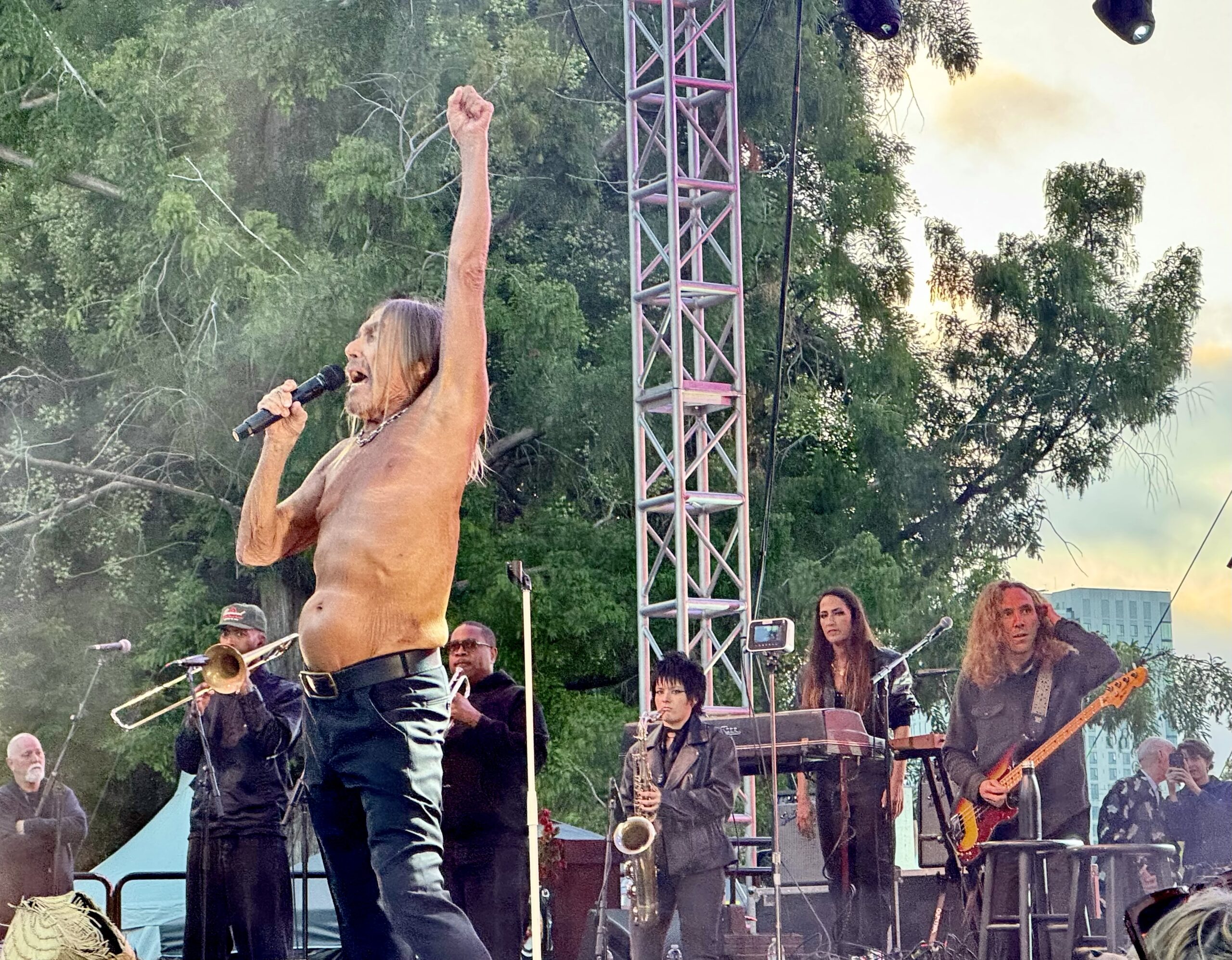
And punk delivered.
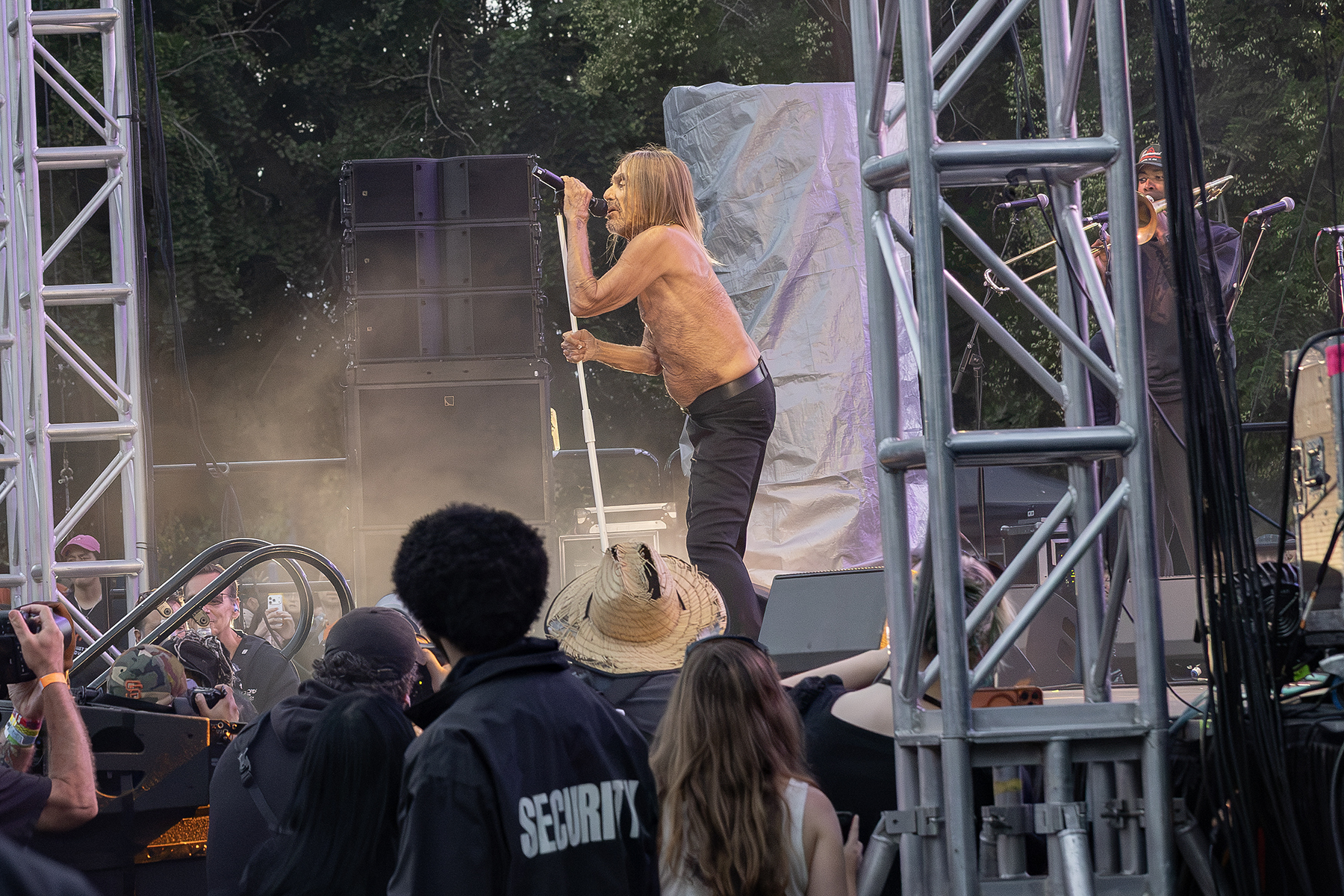
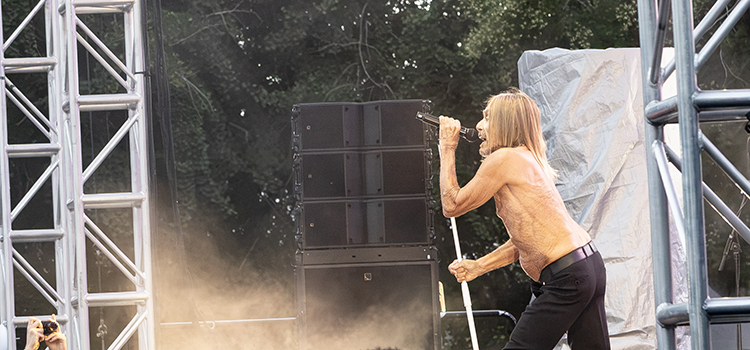
The weekend belonged, in many ways, to Iggy Pop.
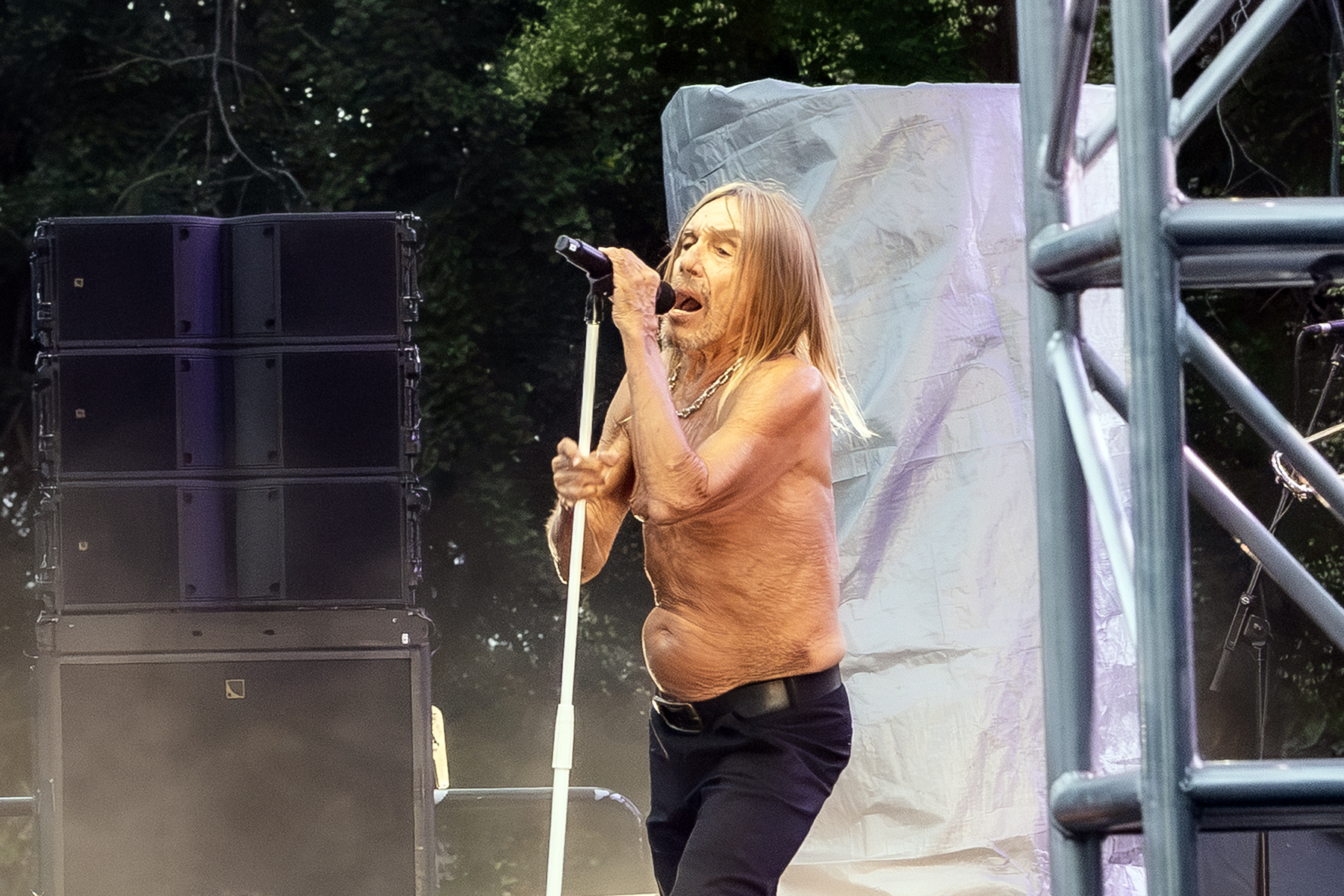
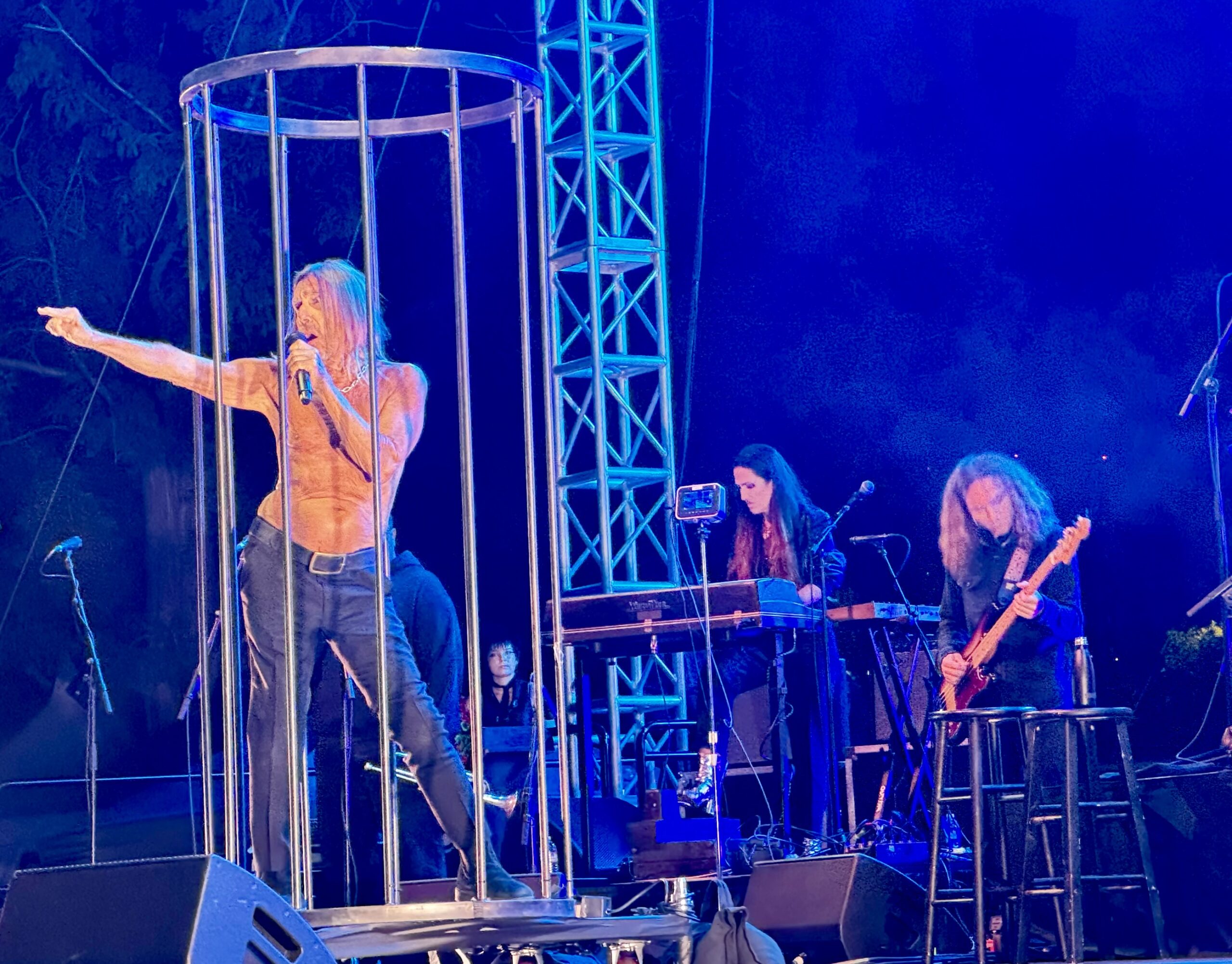
At 79, the godfather of punk remains one of rock’s most mesmerizing performers. Shirtless as ever, he stalked, lunged, twisted, and barked through a career-spanning set, including “Lust for Life,” “Search and Destroy,” “I Wanna Be Your Dog,” and “The Passenger,” with enough manic energy to embarrass performers half — no, a quarter — his age. His voice remains remarkably intact, but it’s his physical commitment that continues to astonish.
Years of punishment have left his body visibly asymmetrical. His gait is unmistakably lopsided, one leg is noticeably shorter than the other, and every stride and contortion seems shaped by a lifetime spent throwing himself into performances with reckless abandon.
That made his performance of “I Got a Right” especially resonant. First recorded in 1972, the song’s defiant lyrics — “I’ve got a right to move any way I want” — took on fresh meaning as he prowled the stage entirely on his own terms. He wasn’t trying to conceal his age or the wear etched into his body. Instead, he transformed it into part of the performance. His movements were raw, unconventional, and utterly captivating. By the end of the set, it was impossible to look away — not because he moved like a 79-year-old, but because no one else moves quite like Iggy Pop.
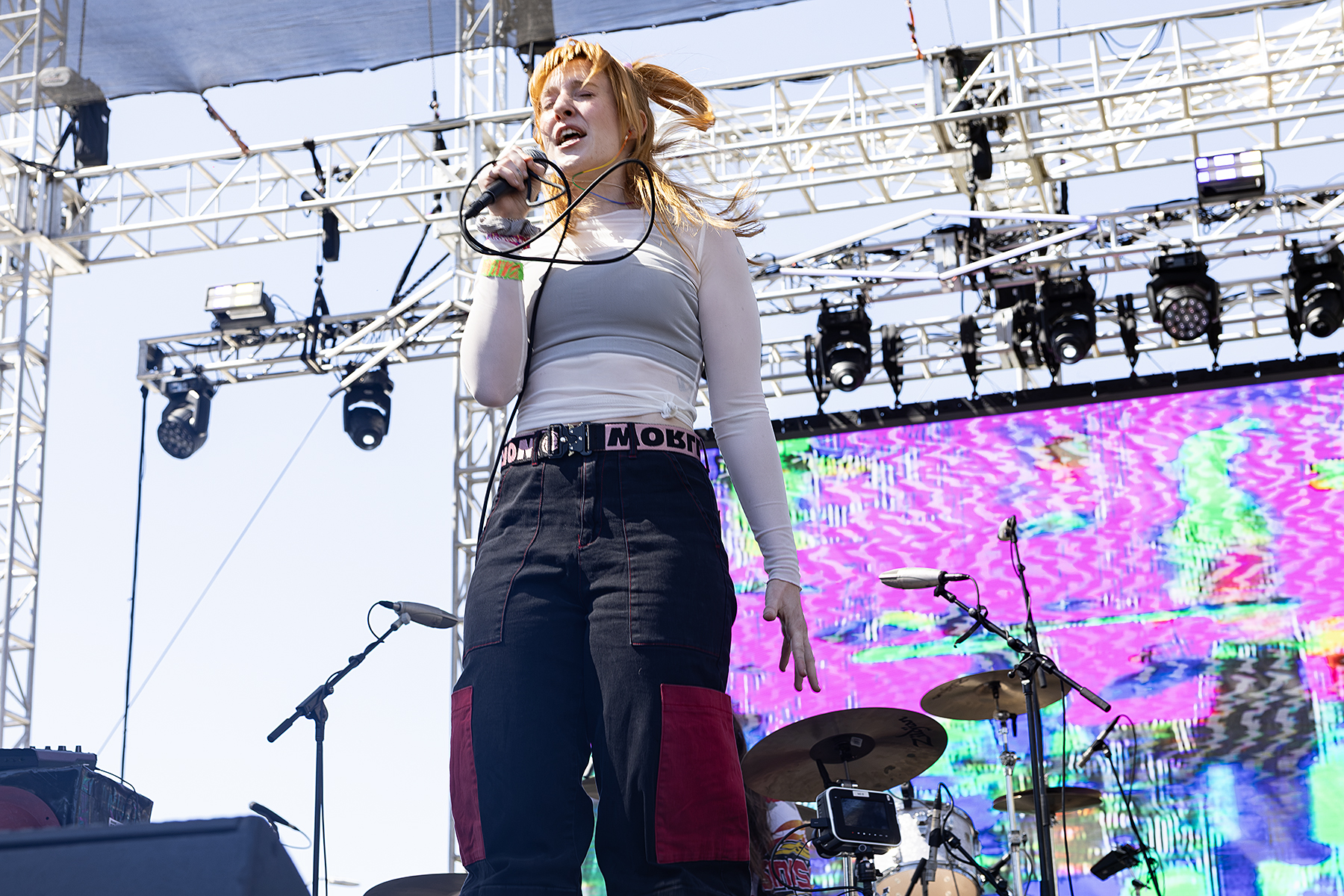
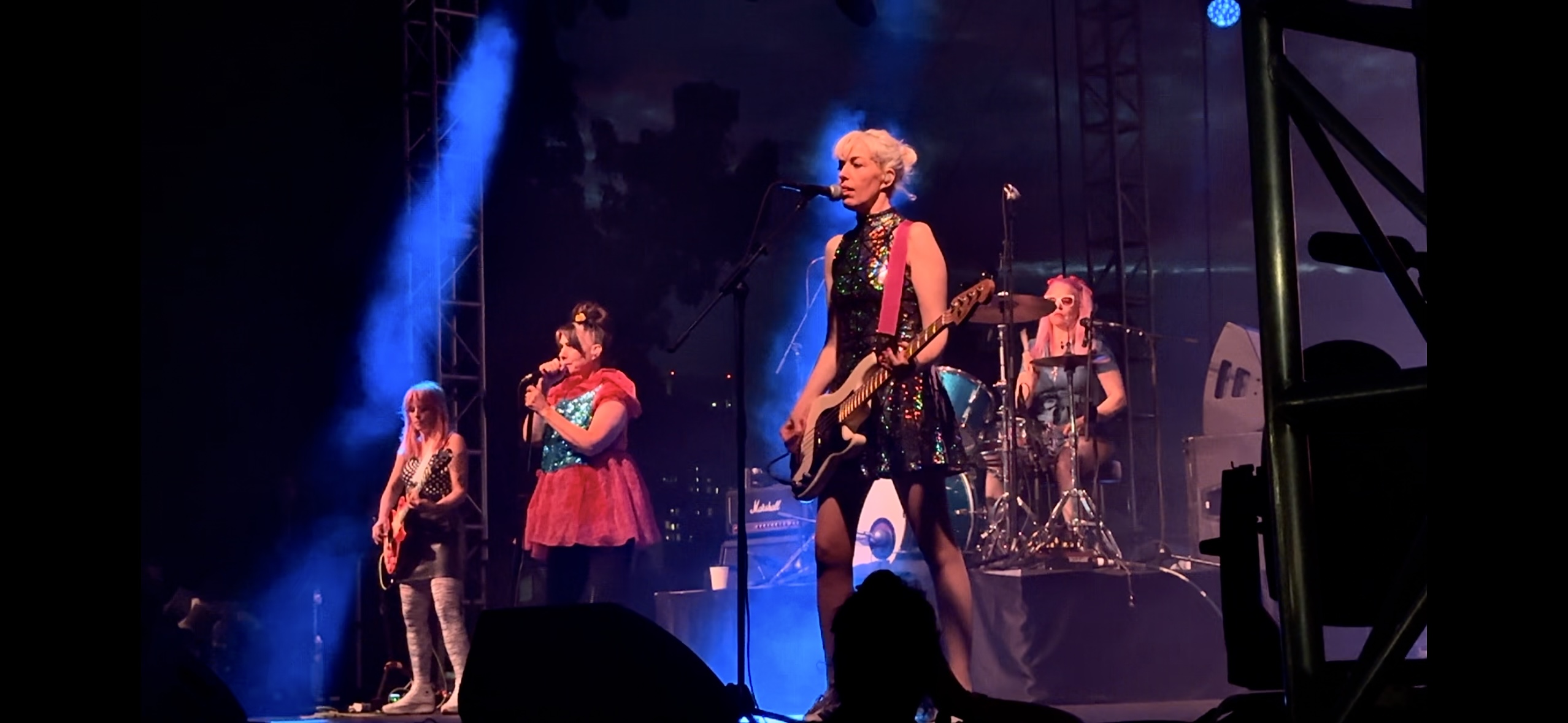
If Iggy represented punk’s enduring foundation, Bikini Kill reminded everyone why they remain one of its most essential voices. Kathleen Hanna hasn’t lost an ounce of her fire. The band’s set felt as urgent as ever, with songs that still carried the same righteous fury that helped ignite the Riot Grrrl movement decades ago. Judging by the sea of girls screaming every lyric back to the stage — and then launching themselves into the crowd — it was obvious that Bikini Kill’s influence extends well beyond nostalgia.
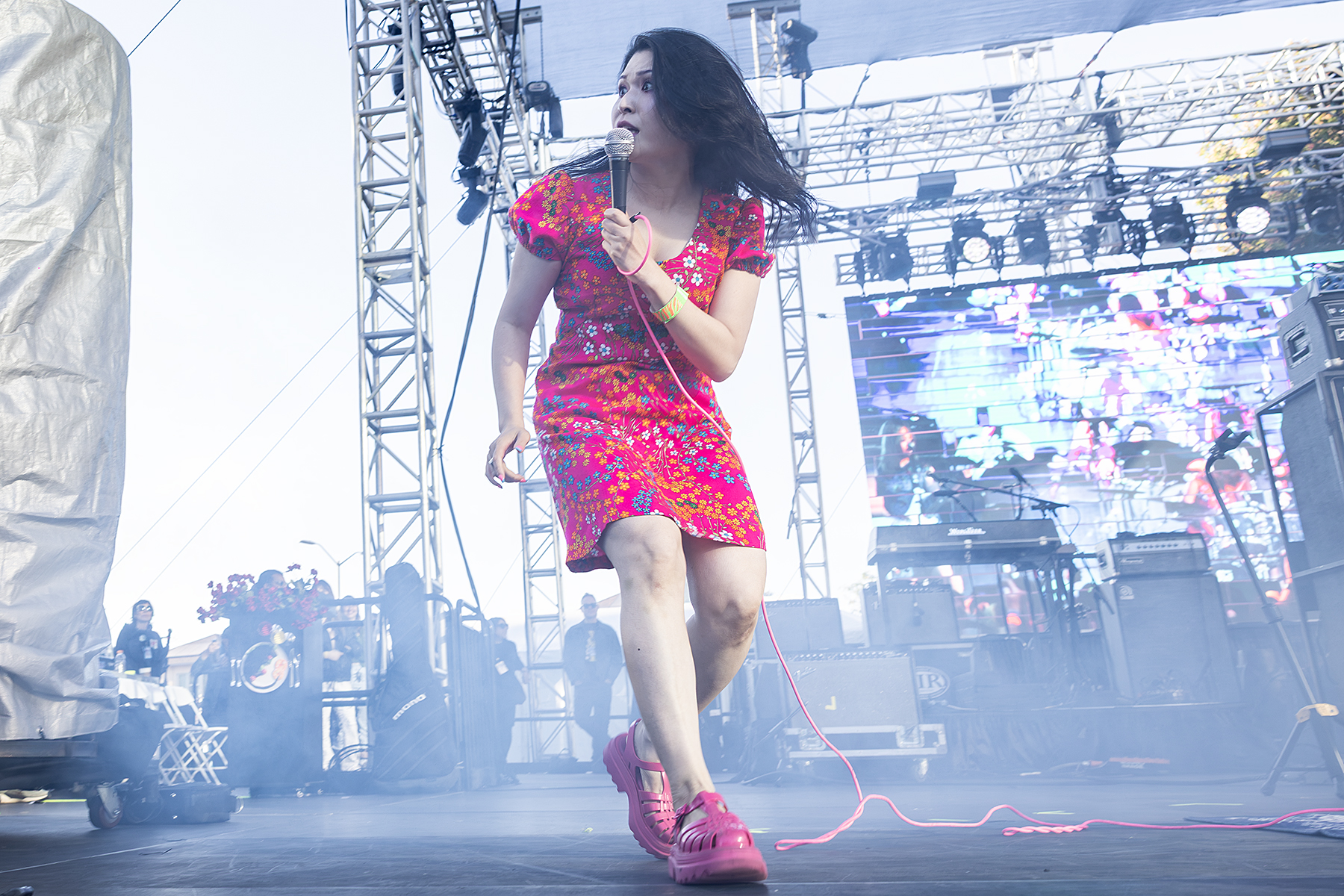
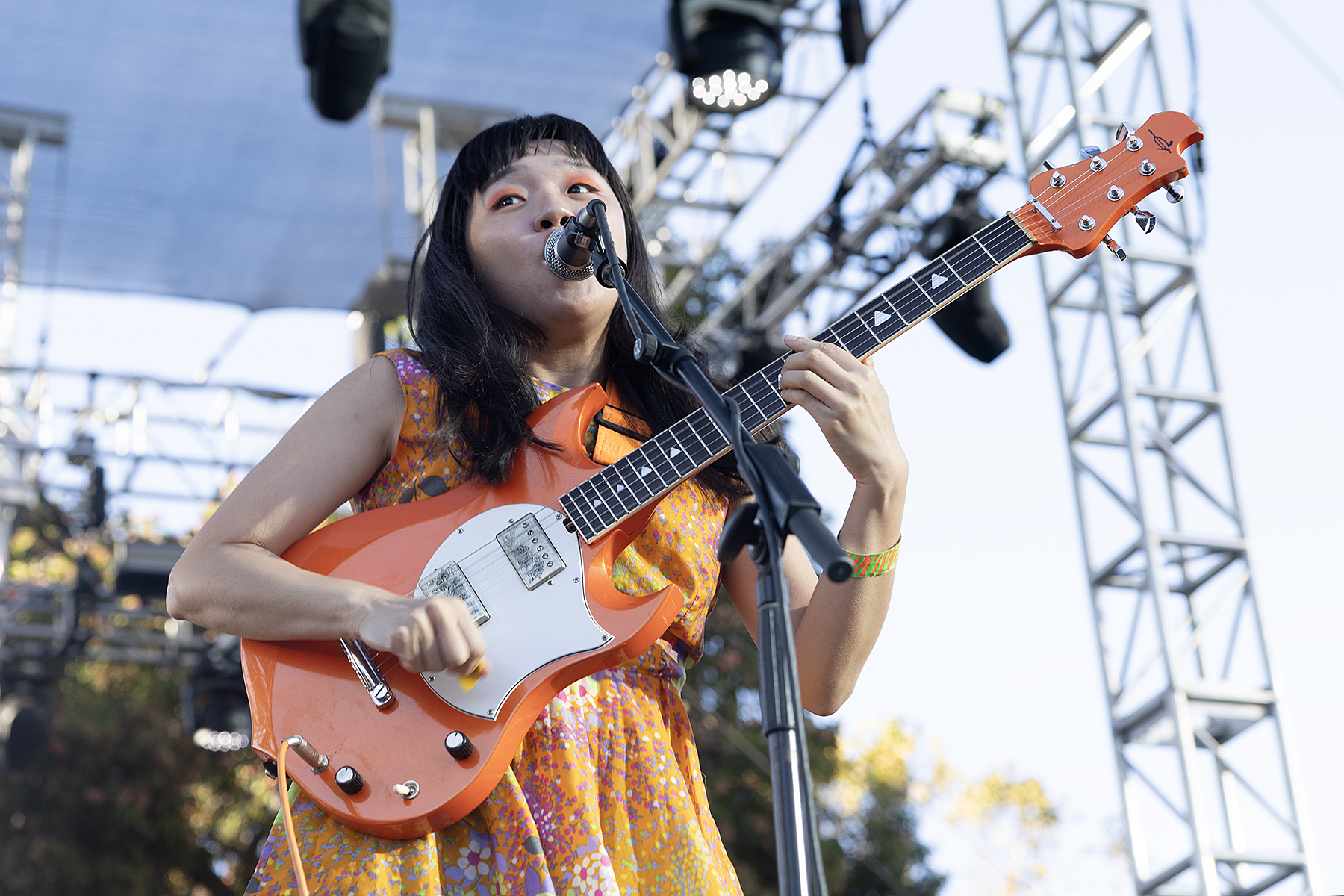
But no band generated more gleeful chaos than Japan’s Otoboke Beaver. The all-grrl punk band from Kyoto delivered one of the weekend’s most exhilarating performances. They ripped through songs at breakneck speed with razor-sharp stops and starts, dizzying tempo changes, and seemingly limitless energy. And they did it while rocking demure flower-print dresses that made their instruments look like fashion accessories — until they plugged them in and blew your eardrums out. You didn’t need to understand Japanese; the mosh pit handled the translation. (The singer’s frequent middle finger also helped.)
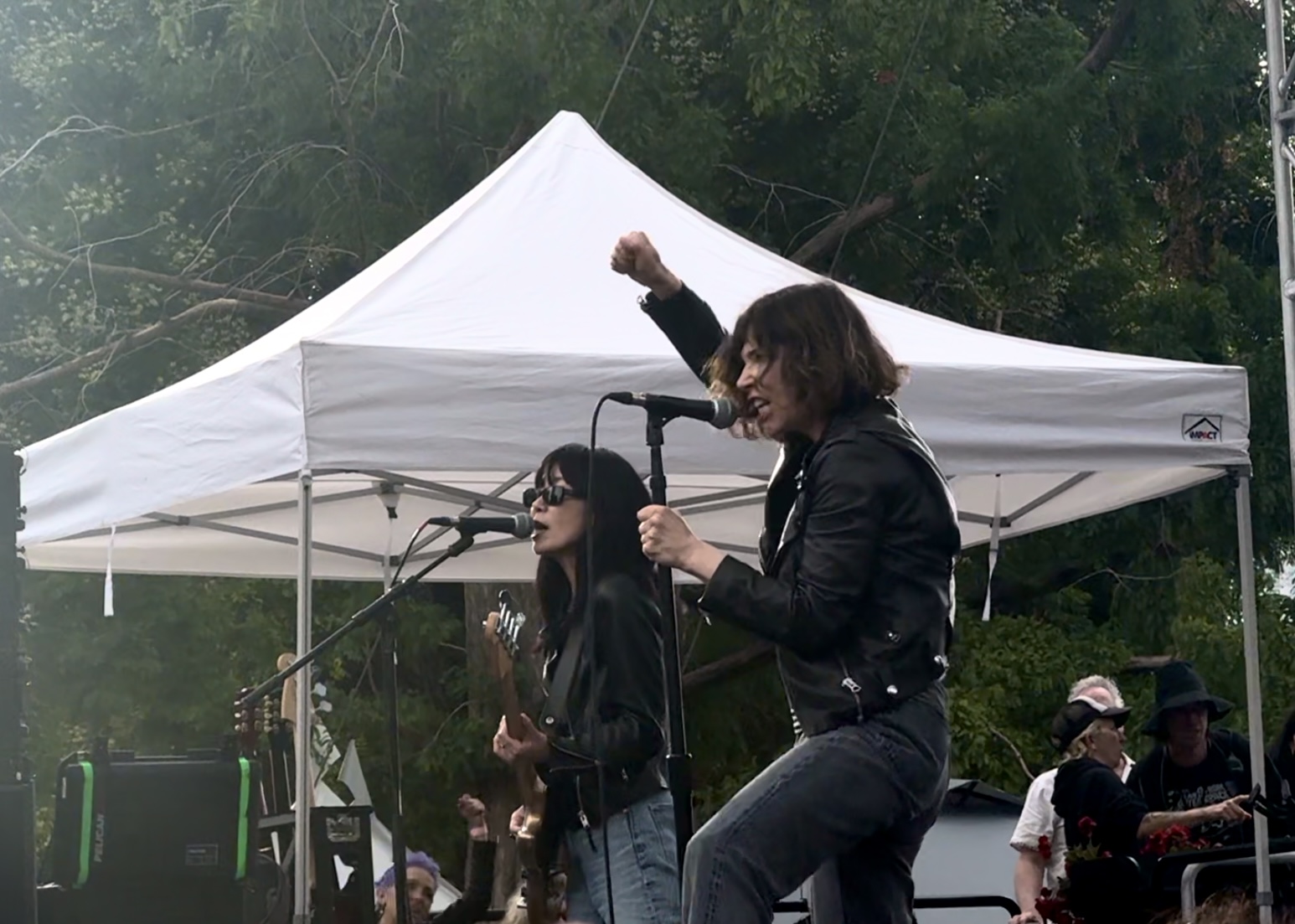
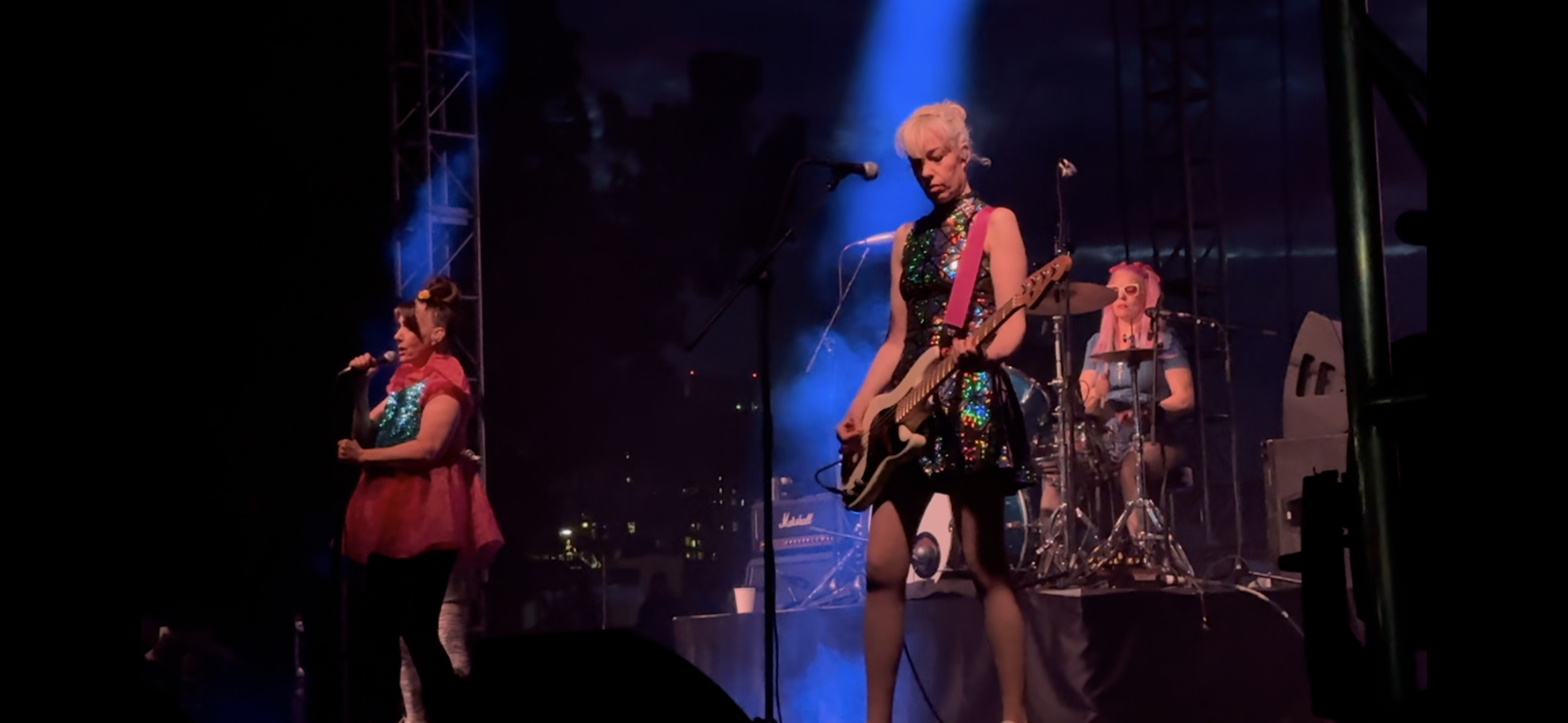
One of the most joyous sets came from The Return of Jackie and Judy, the Ramones tribute project featuring Portlandia’s Carrie Brownstein and Fred Armisen and founding member of Sleater-Kinney, Corin Tucker. Armisen, sporting a black leather jacket and a Ramones-style wig, quietly took his place behind the drums while Brownstein channeled her inner Joey Ramone, charging through the setlist while the crowd sang along to every word. The stripped-down approach fit perfectly within the spirit of Mosswood.
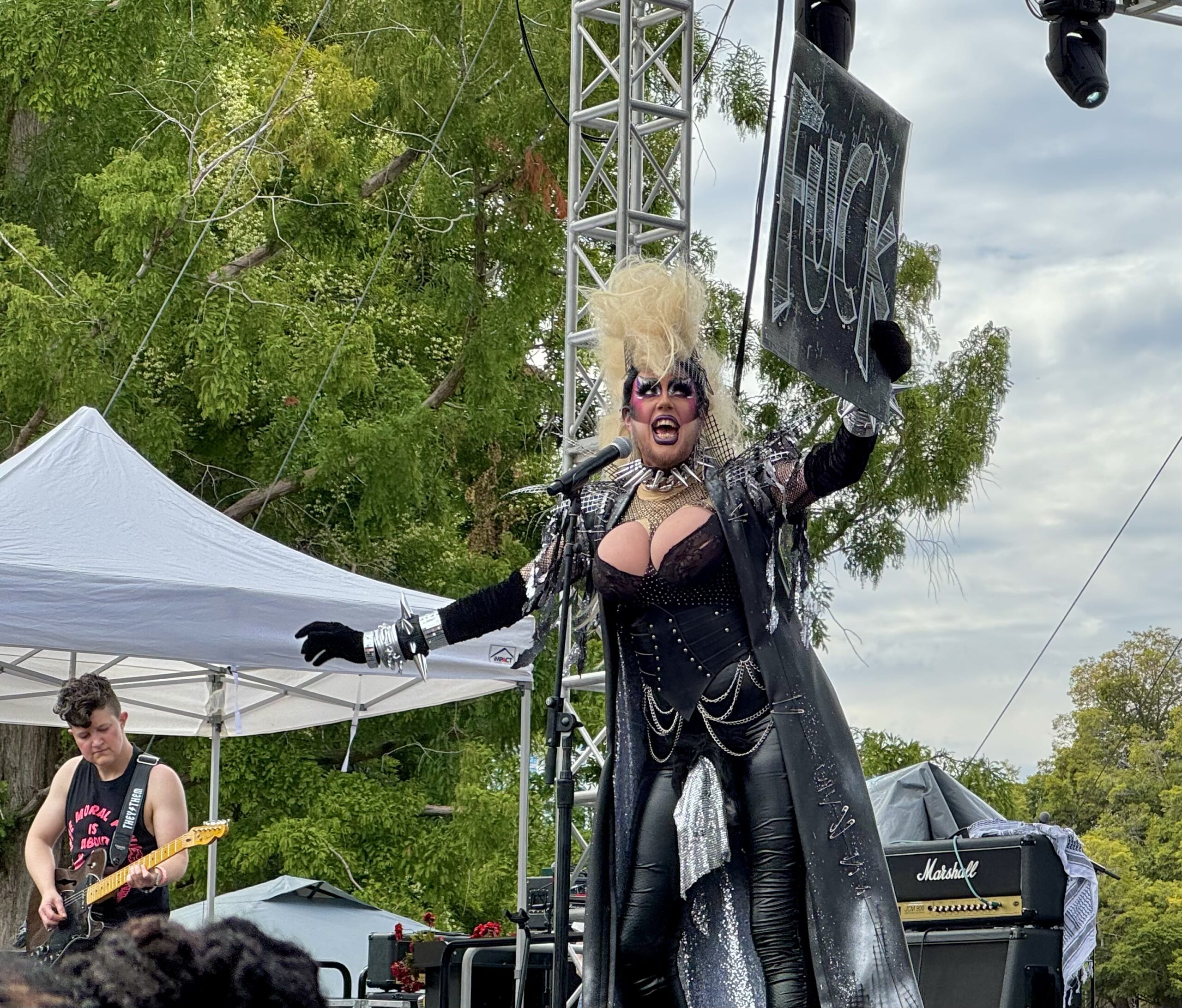
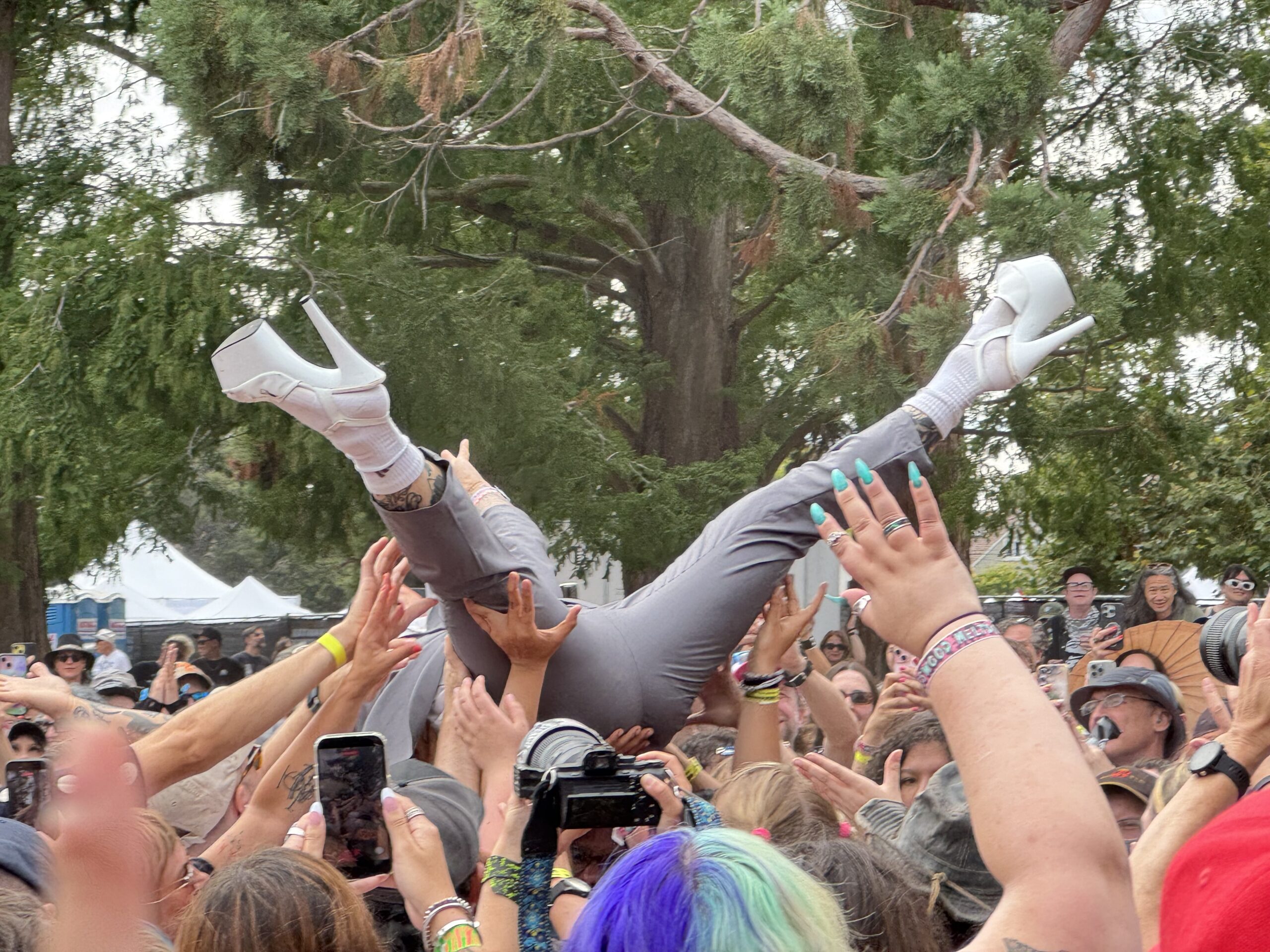
If there was one performance that truly captured the festival’s personality, though, it may have been Punk Pride. Part punk revue, part drag spectacular, the show — helmed by Bay Area drag icon Peaches Christ — turned punk songs ranging from classic to obscure into hilariously theatrical celebrations of queer self-expression. Drag queens sang — not lip-synced — songs played by a queer rock band.
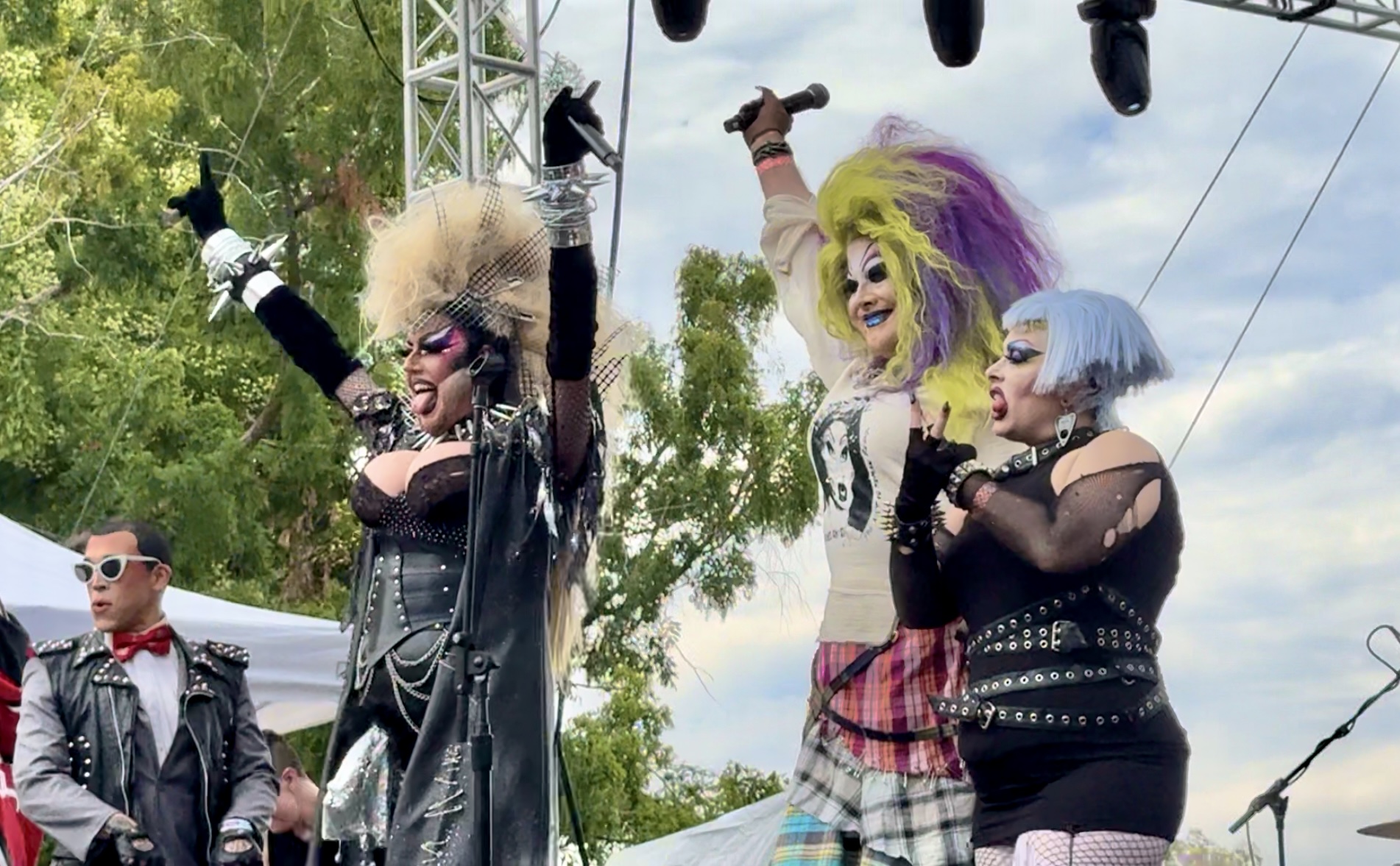
Peaches Christ opened the set with a rendition of the Sex Pistols’ “God Save the Queen,” Trixie Carr perfectly delivered “Institutionalized” from Suicidal Tendencies, and Kochina Rude, performing as Pee-Wee Herman, ended their performance by crowd-surfing, legs spread upward in a V, pointy platform stilettos piercing the air. Absurdity at its finest. Only at Mosswood.
The uniquely talented goth-punk horror queen, Cream, closed the set with an extra-irreverent rendition of “Fuck You,” from Dean and the Weenies. Toward the end, during the segment where a singer usually introduces the band, Cream led the crowd in basically screaming “fuck you” to each band member individually. The musicians seemed honored. It was punk as fuck, and just the kind of vibe that puts this festival in a class of its own.
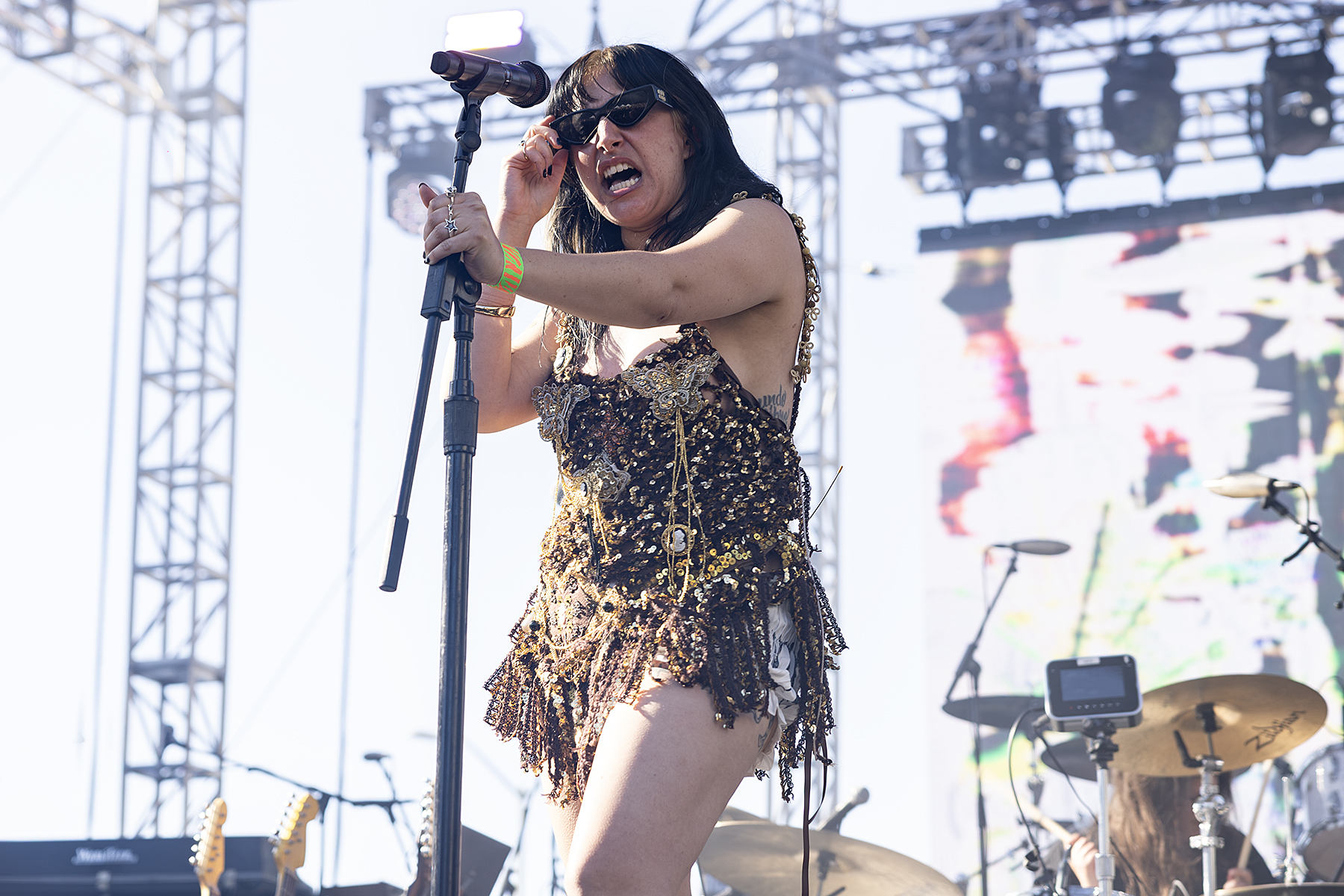
Mosswood Meltdown has historically been very strong on queer representation, gender diversity, and punk outsider culture. But despite the inclusion of Detroit’s The Dirtbombs, fronted by Mick Collins, a prominent figure in the garage-punk scene, and Las Nubes, a multilingual garage rock band from Miami, this year’s lineup was still overwhelmingly white. That’s pretty mystifying for a festival set in Oakland, one of the most racially diverse cities in the country, with a thriving Black and brown punk scene.
Nevertheless, this festival has never been about chasing the biggest stage or the widest audience. Its magic comes from the connection between artists and fans, from looking out and seeing punk rock elders crowd-surfing alongside tweens, parents bringing their kids, kids bringing their parents, and everyone out there just being themselves. And part of that magic comes from Oakland itself — a city whose independent spirit continues to provide the perfect backdrop for a festival that values authenticity over conformity.
The punk festival at Mosswood Park remains a rare kind of cultural refuge. And it still speaks a language that only makes sense when individuality is celebrated, disorder is a virtue, and the unexpected is just part of the plan. It’s not a language you learn; it’s one you live. Seventeen years in, the Bay Area hasn’t forgotten a word. It still speaks fluent punk.
Here’s a slideshow with more photos from Mosswood Meltdown:
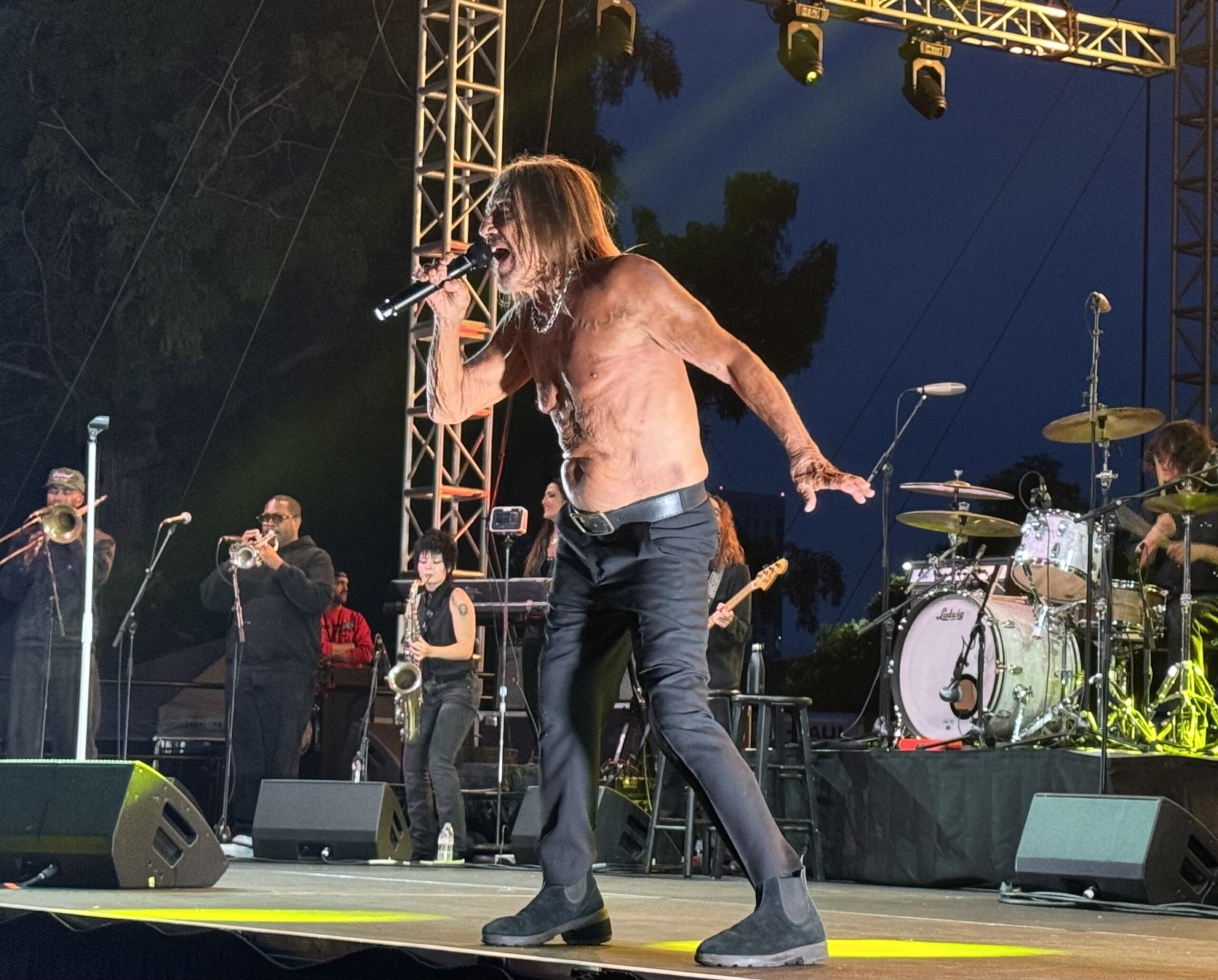
Iggy Pop (Photo by Robert Lyons)
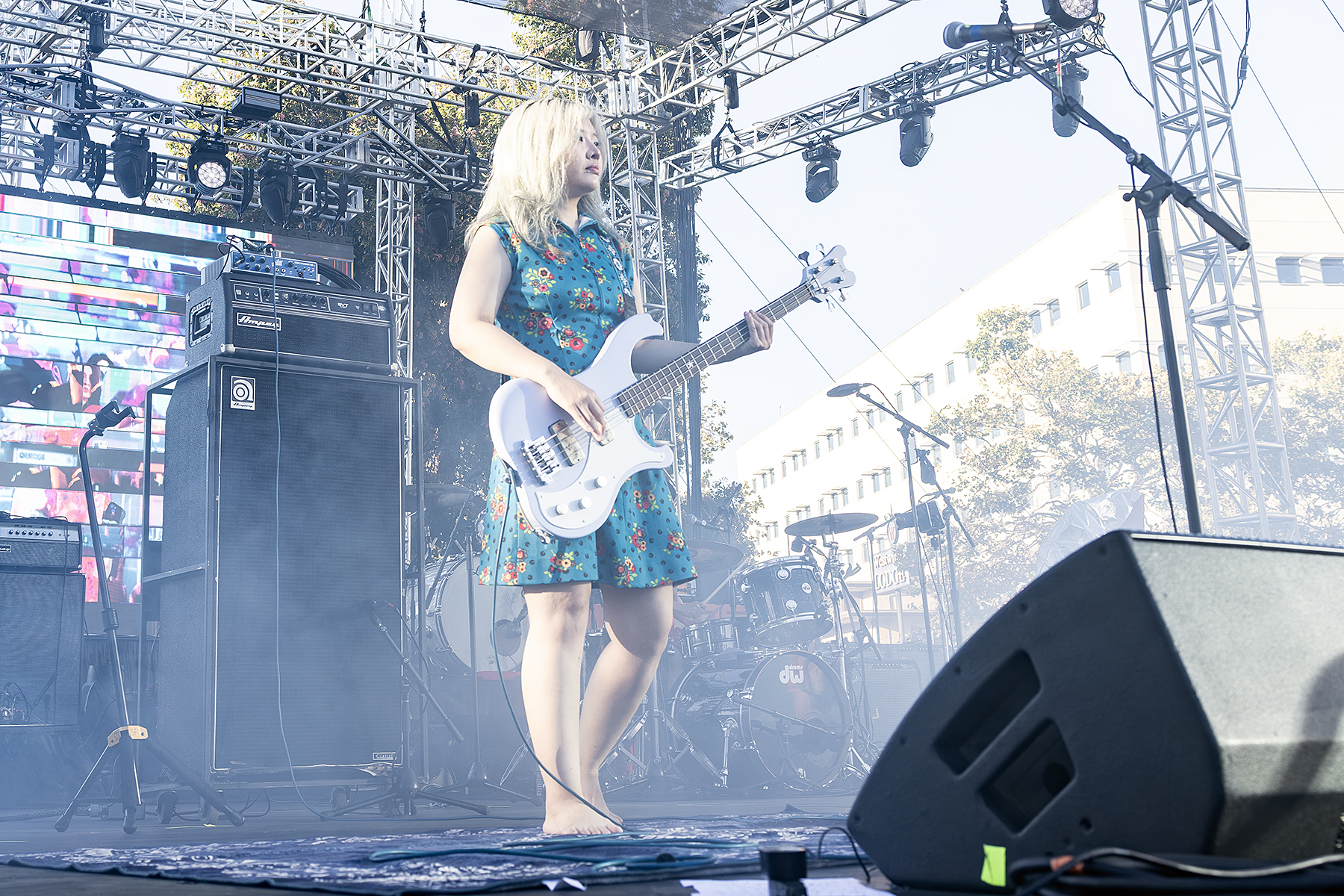
Otoboke Beaver (Photo by Raymond Ahner)
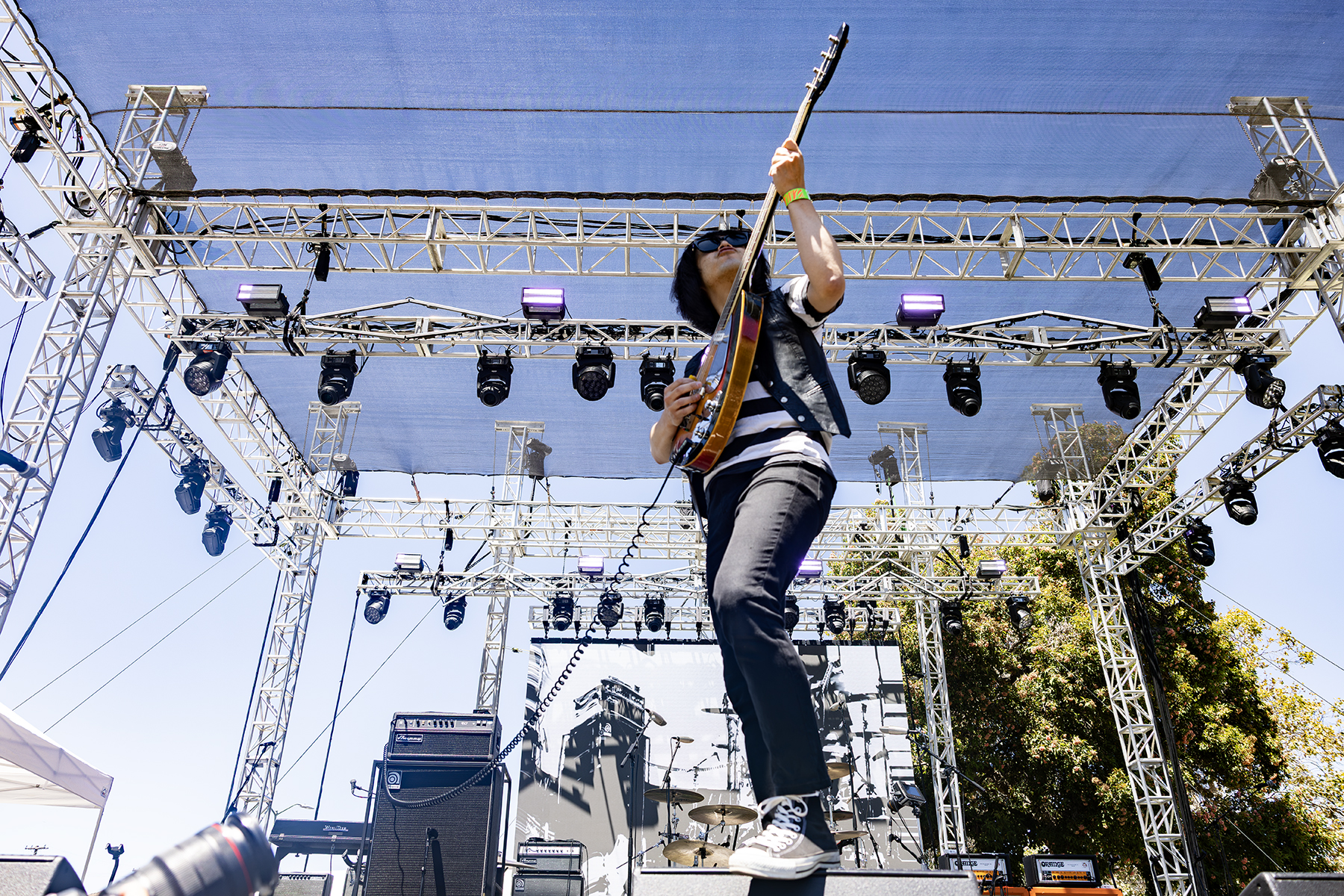
Fadeaways (Photo by Raymond Ahner)
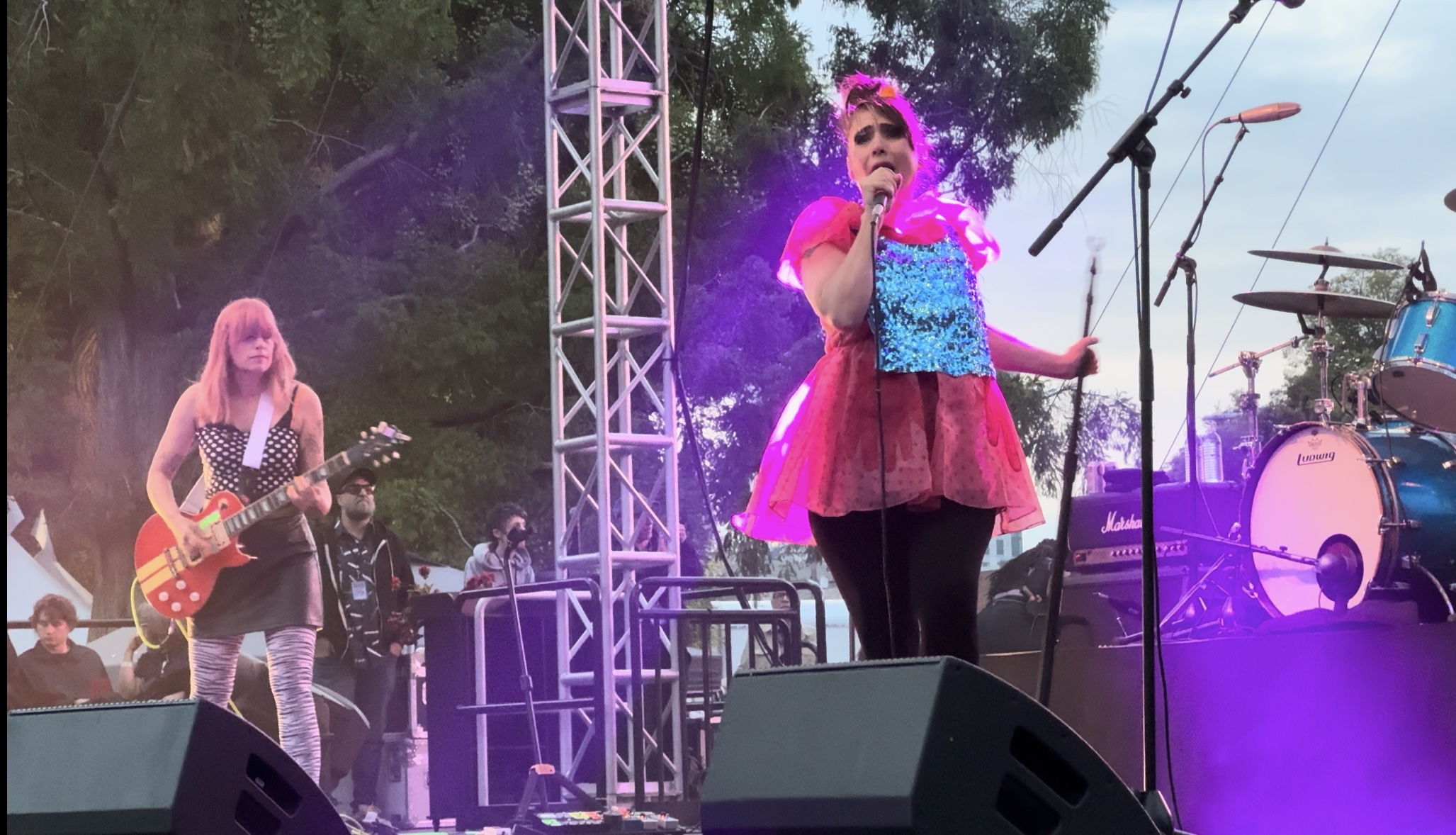
Bikini Kill (Photo by Robert Lyons)
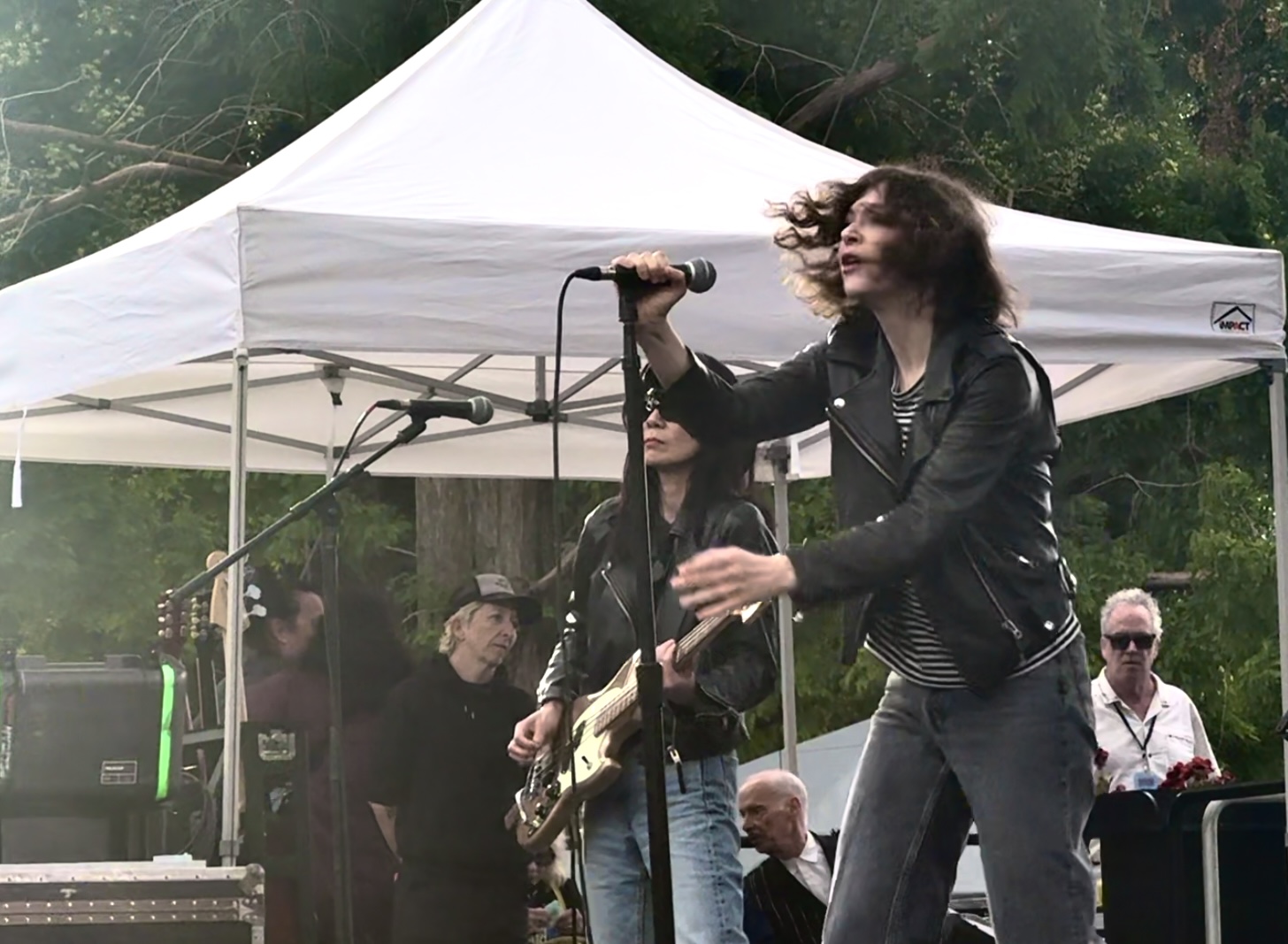
Carrie Brownstein with Jackie and Judy (Photo by Robert Lyons)
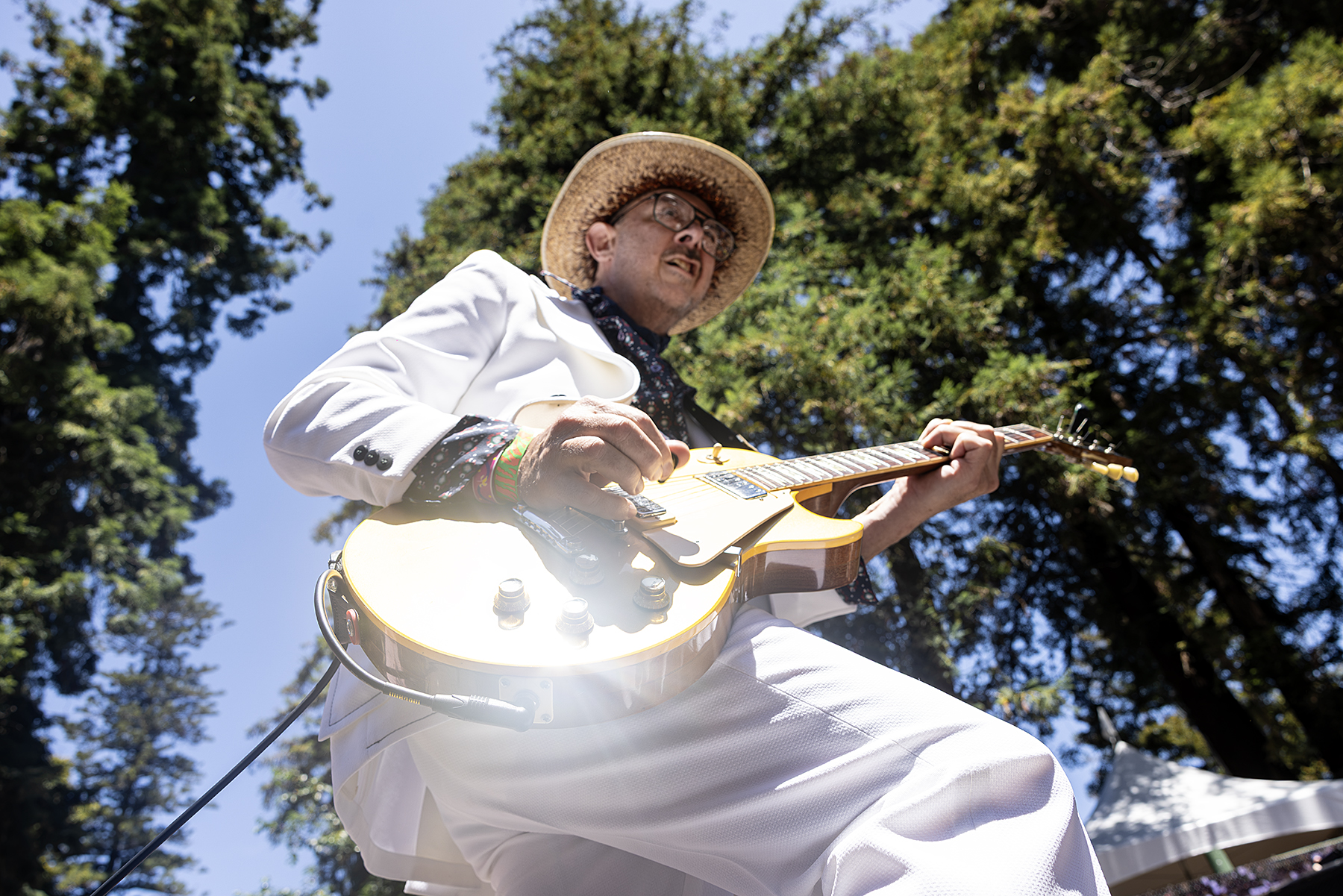
The Drags (Photo by Raymond Ahner)
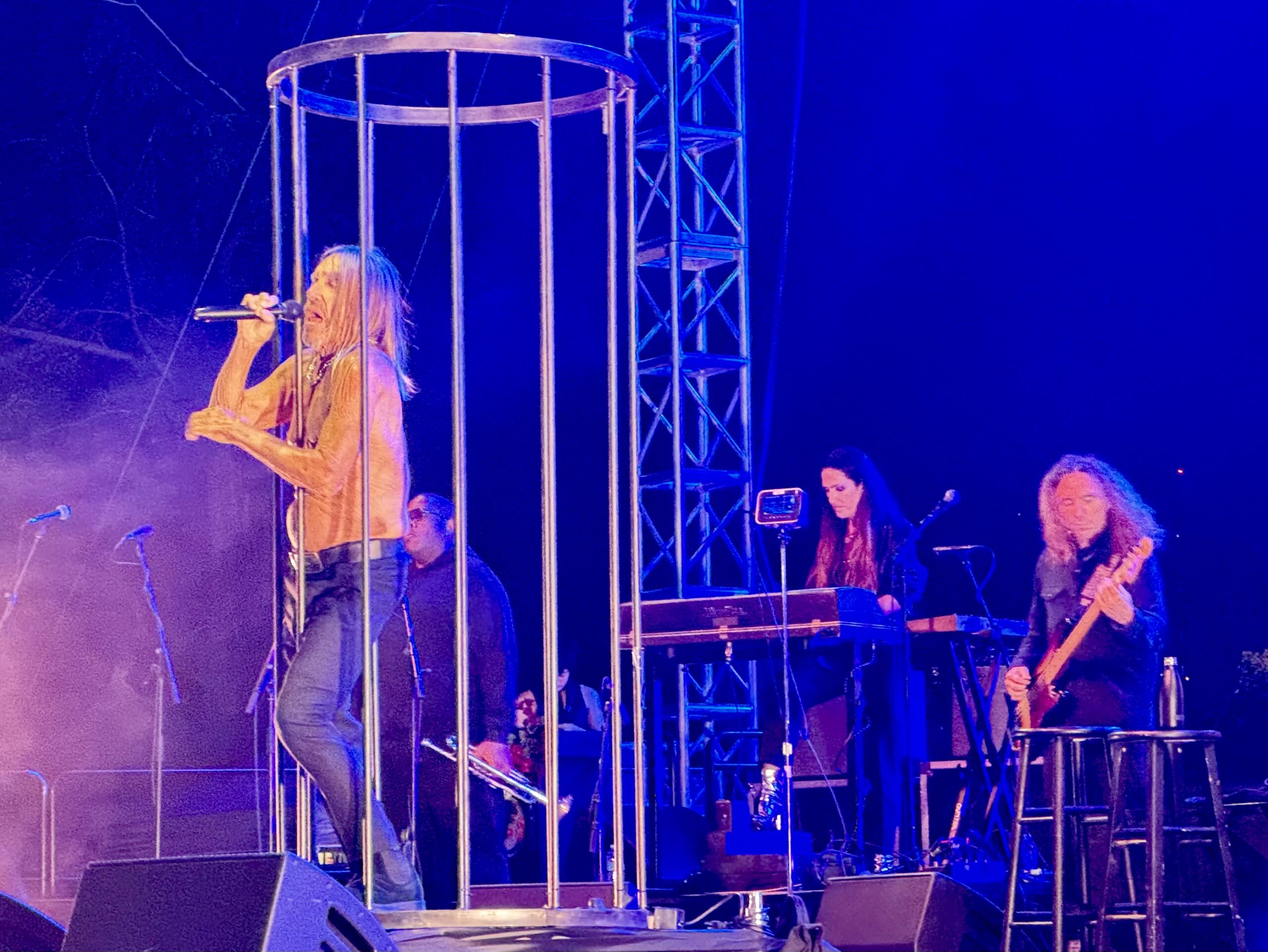
Iggy Pop (Photo by Robert Lyons)
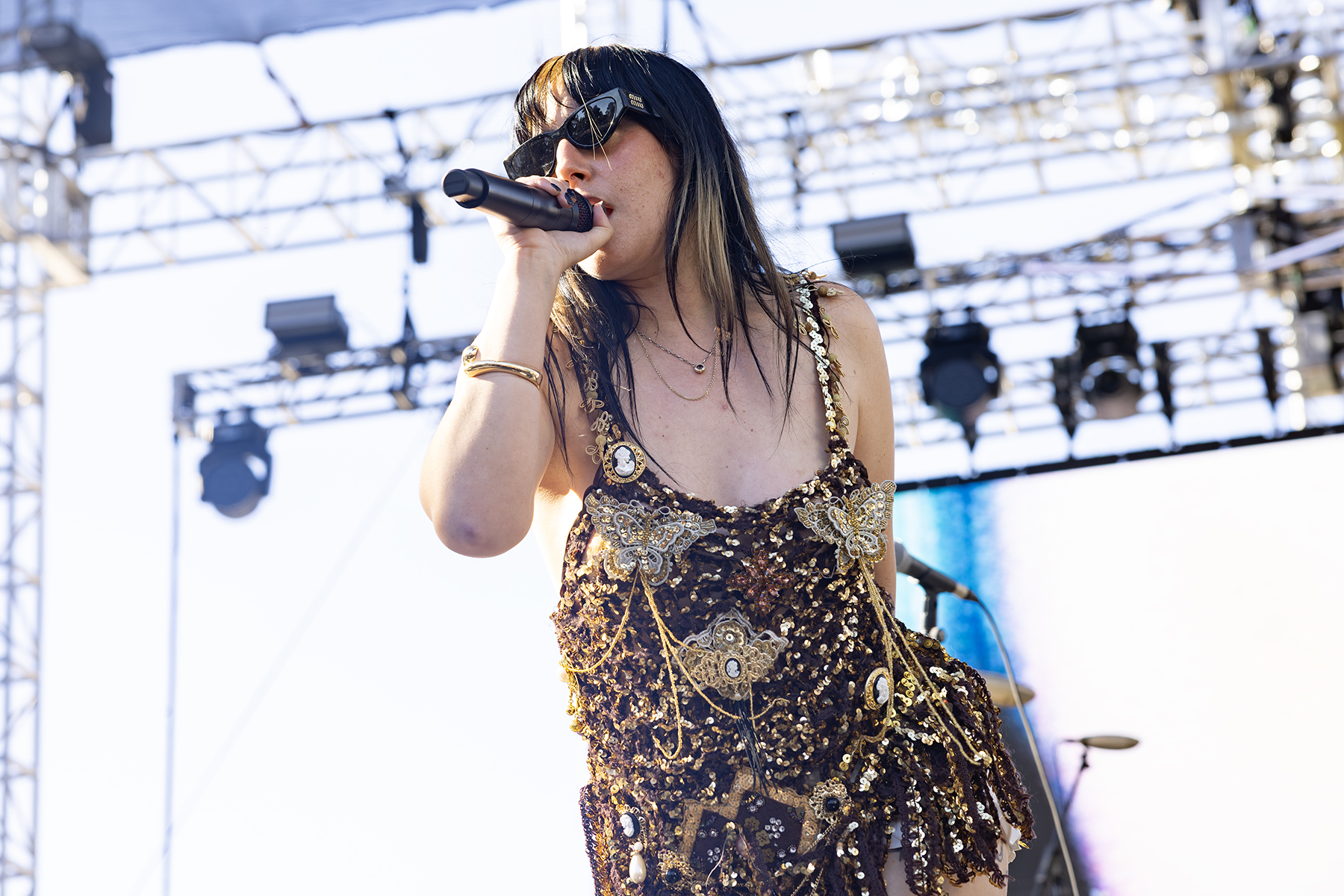
Mannequin Pussy (Photo by Raymond Ahner)
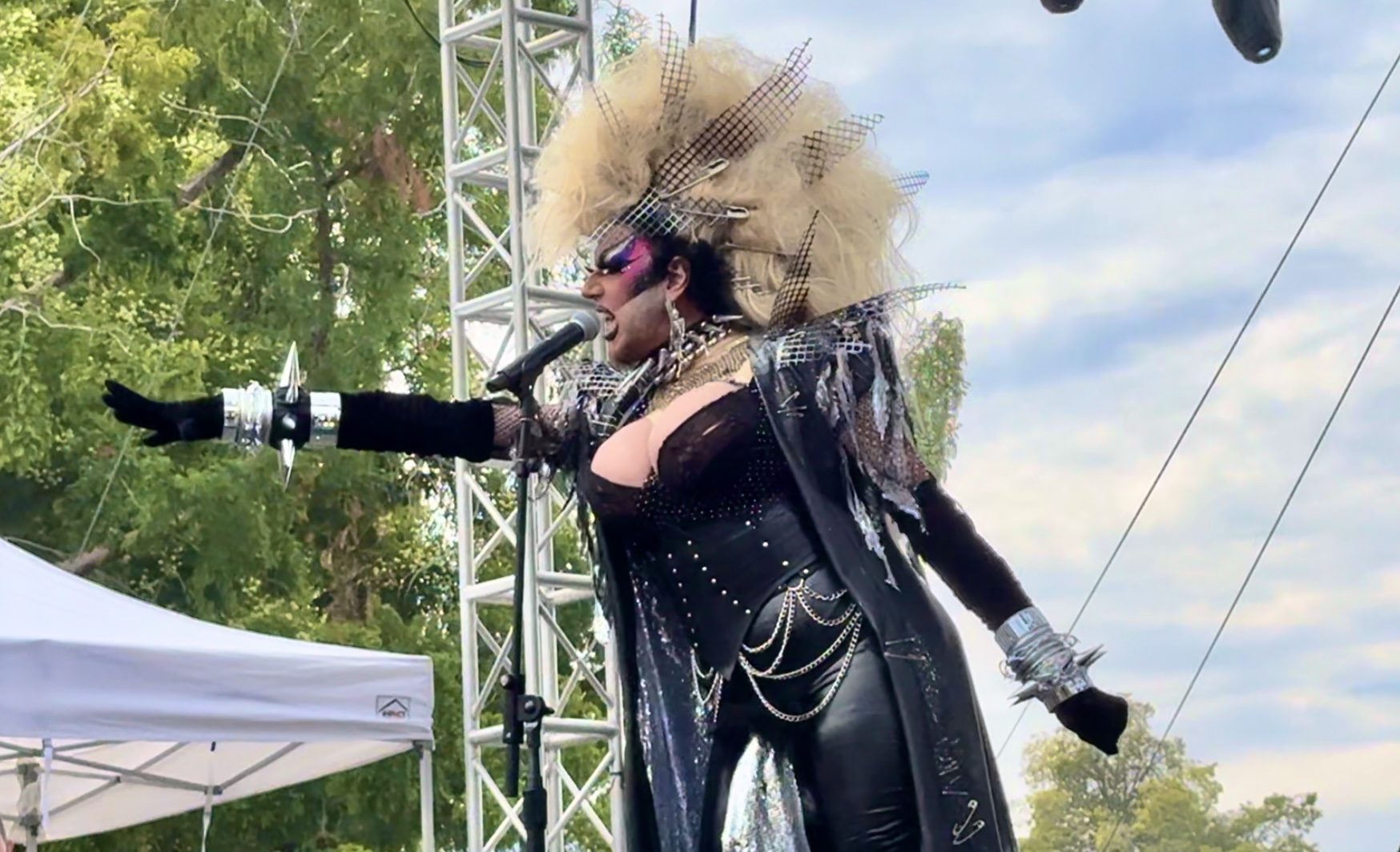
Cream with Peaches Christ (Photo by Robert Lyons)
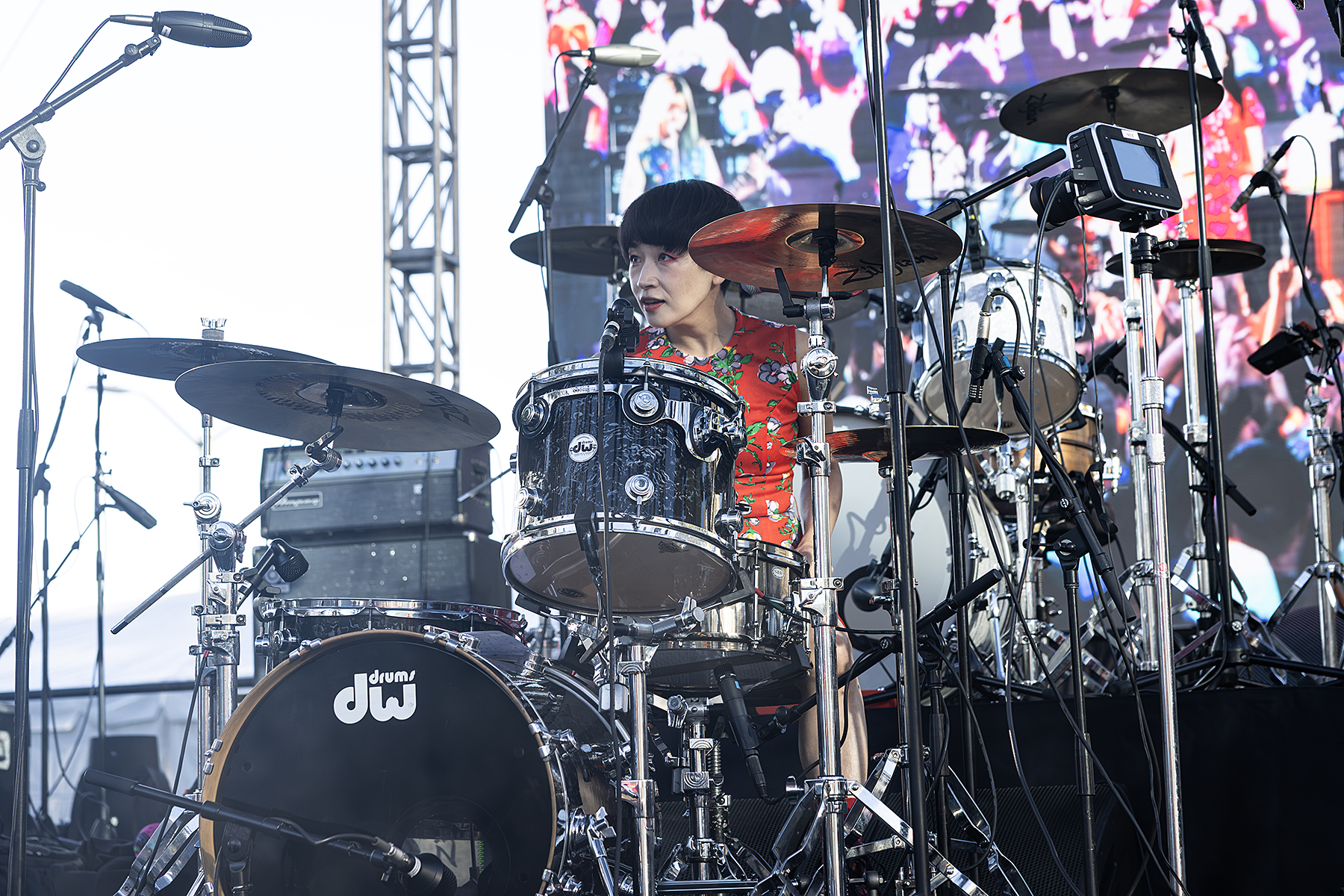
Otoboke Beaver (Photo by Raymond Ahner)
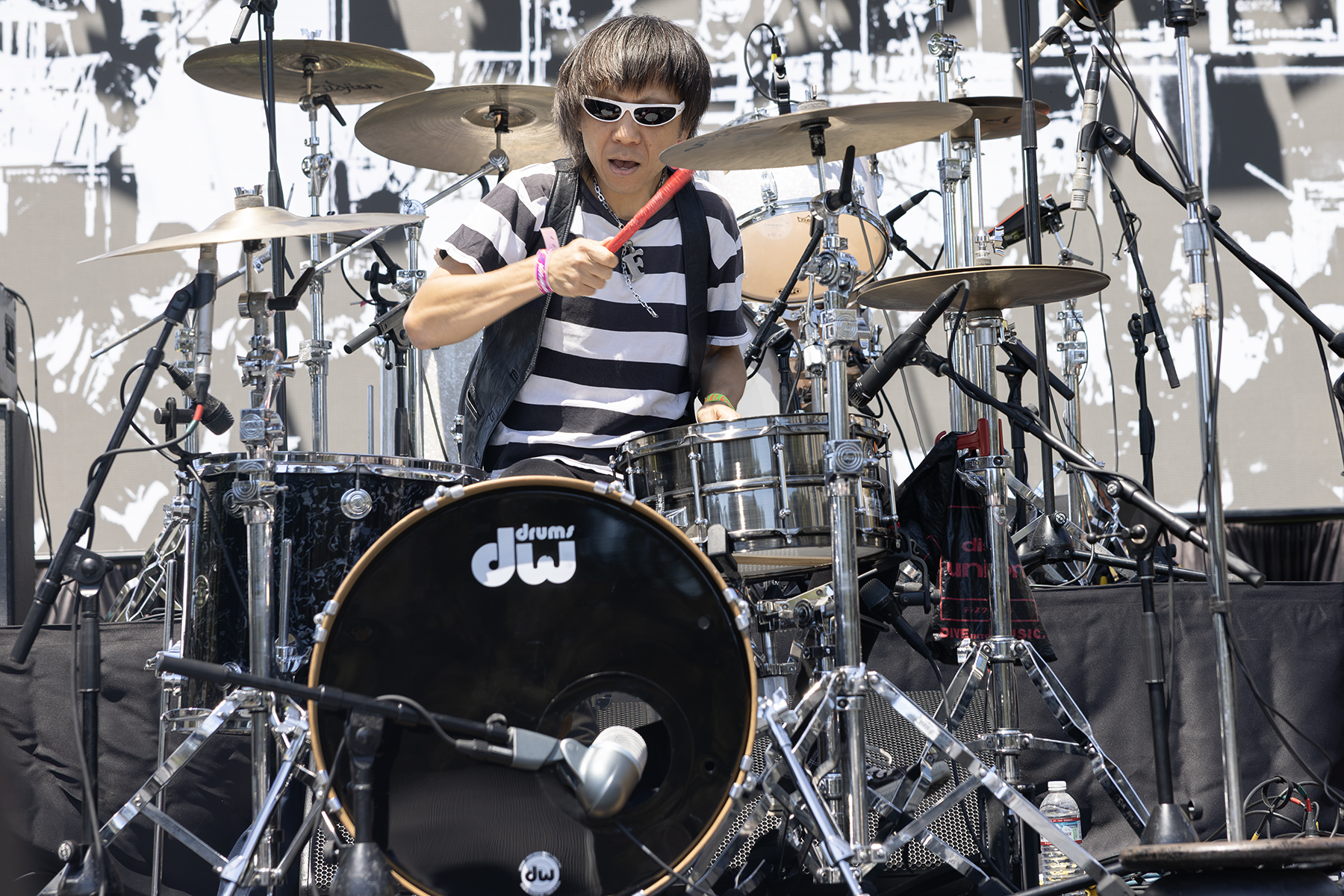
Fadeaways (Photo by Raymond Ahner)
