


Hardly Strictly Bluegrass
Golden Gate Park
October 2-4, 2026
Photos by Paul Piazza
The 26th edition of Hardly Strictly Bluegrass took place in Golden Gate Park during the first weekend of October. As always, it was an epic celebration of some of the very best music from the U.S. and around the world. The festival serves as a remarkable glimpse into some of the greatest songwriters of our time.
The event has also become a necessary cultural salve after another summer of excessive bad news and politics, and follows so many excessively commercial music festivals that embrace corporate endorsements and temporary pop sensations much more than they do the sheer love of music. It’s also completely free to the public.
It features a lineup that has everything from historically important musical figures to up-and-comers with something to say. It’s a platform for diverse voices and features an impressive level of cross-generational bonding as young and old gather together across the six stages.
This is all possible due to the generosity of billionaire venture capitalist, passionate music lover, and proficient banjo player, the late Warren Hellman. He started the festival in 2001 as a gift to San Francisco. It has remained commercial-free ever since through the Hellman Foundation.
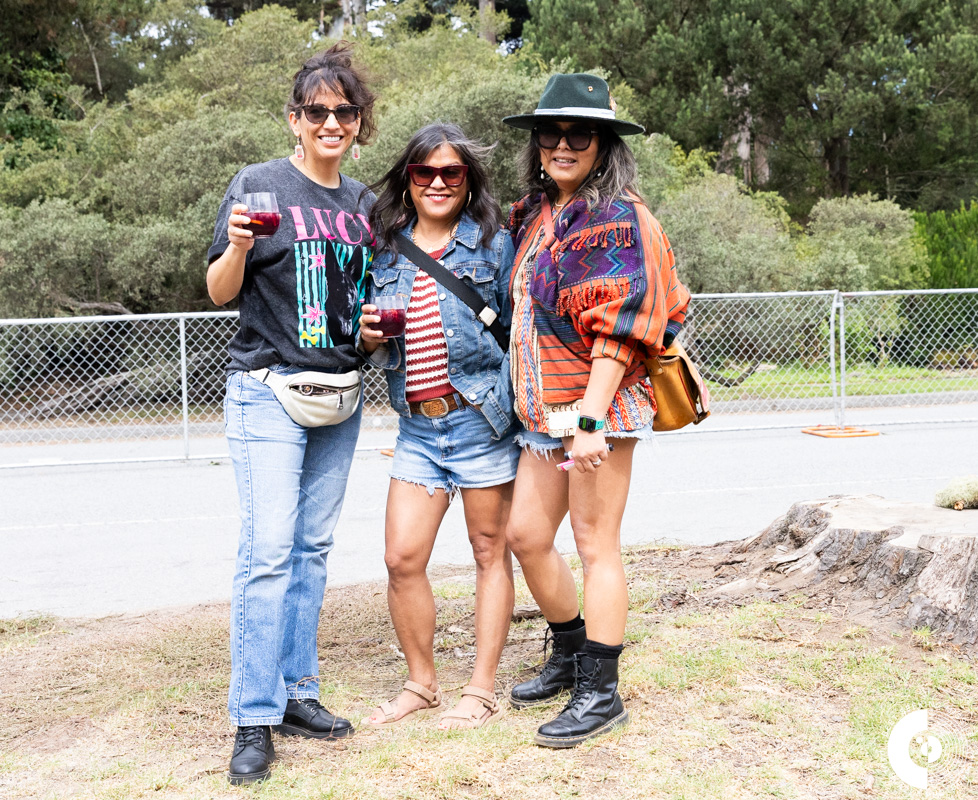
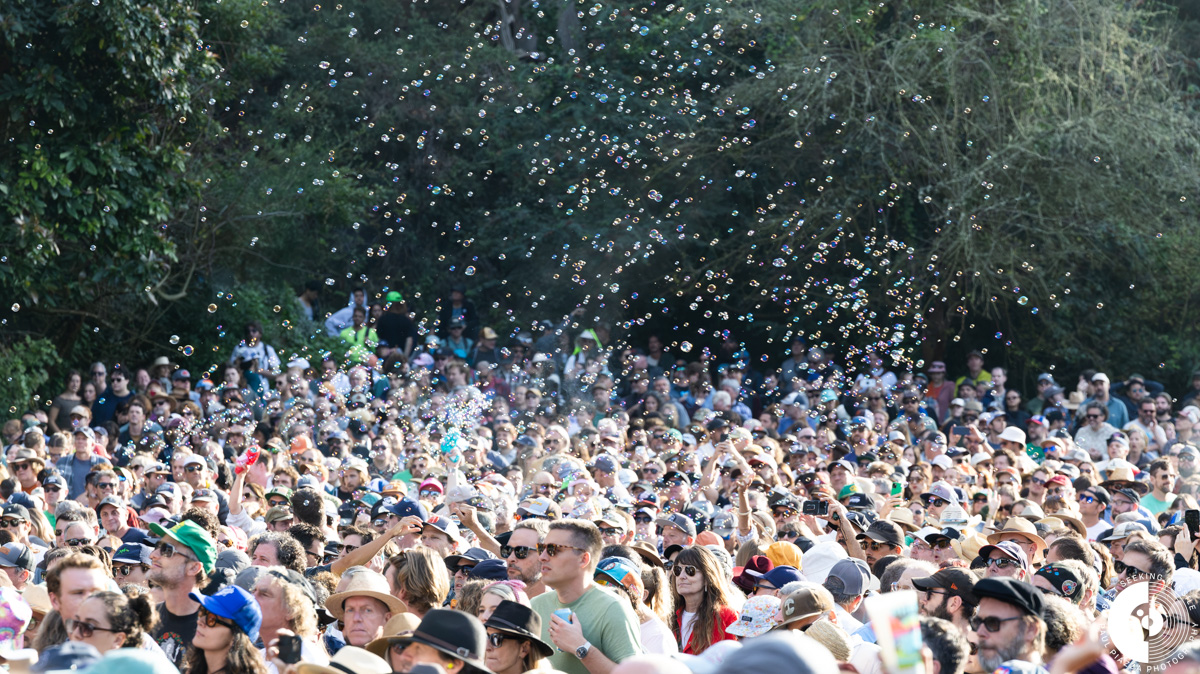
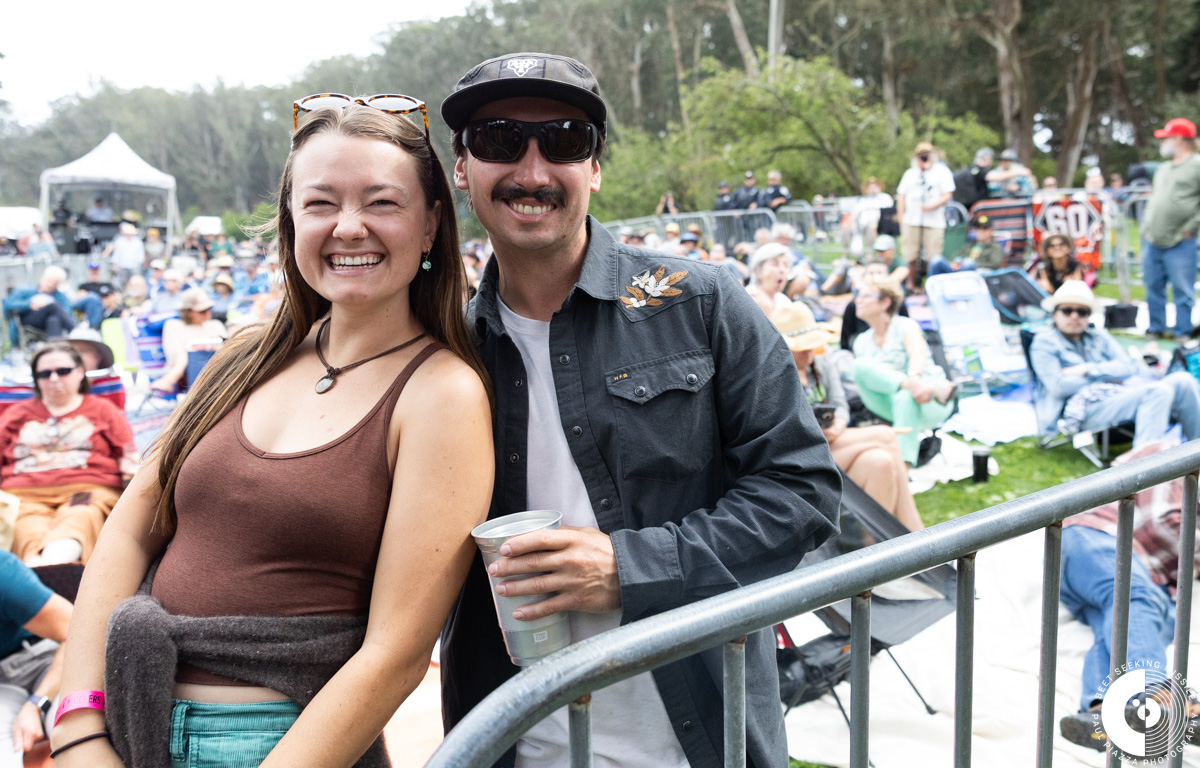
Naturally, with all this epic talent for free in an idyllic setting, the park was flowing with humanity. Even on Friday, when there is normally lighter attendance, the park was pretty crowded. In fact, on Saturday, the festival reached capacity for the first time ever. This caused a situation in which, due to safety concerns abetted by excessive heat, the call was made to halt further entry. Of course, the festival was loaded with great artists from top to bottom, so who could blame people for wanting to be there?
Two constants in the history of the festival have been Emmylou Harris and Steve Earle. Harris, who was a Sunday headliner, has played all 26 years since the festival began. Steve Earle has performed at almost every festival since its second year.
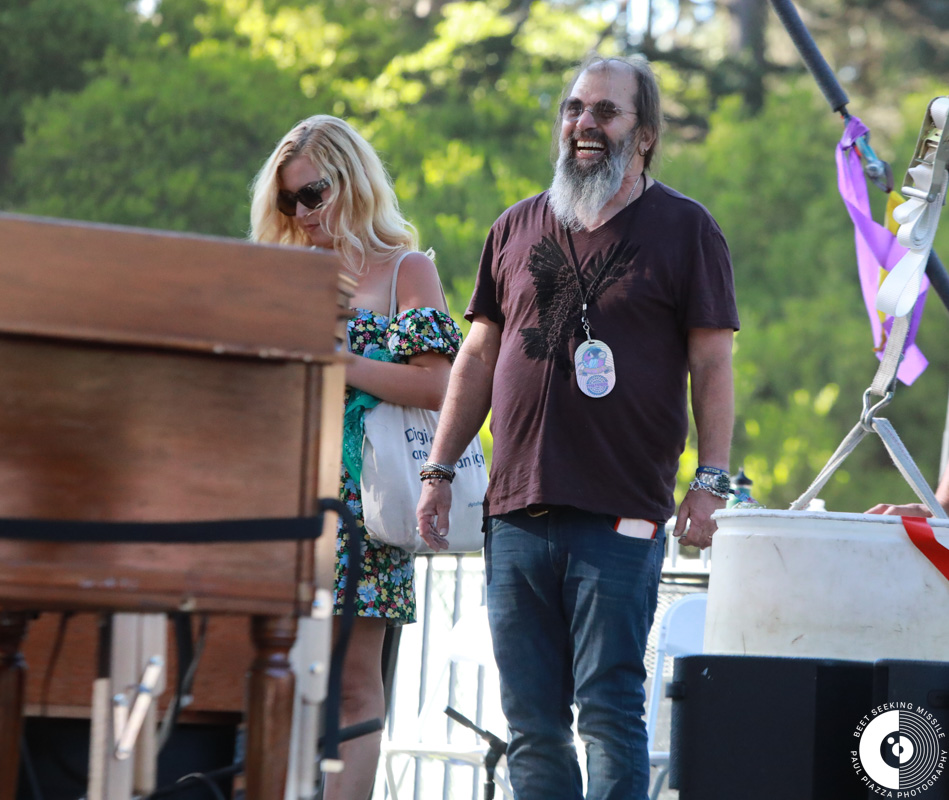
Earle’s life’s work was honored the night before the festival with a star-studded show at The Masonic. Aside from playing his own set at the festival, he could often be seen enjoying bands from the side stage.
The “hardly” in Hardly Strictly Bluegrass means that there are multiple genres on the festival lineup, and mostly they lean towards the harder hitting sounds. The weekend was bookended by a pair of well-known rocking acts.
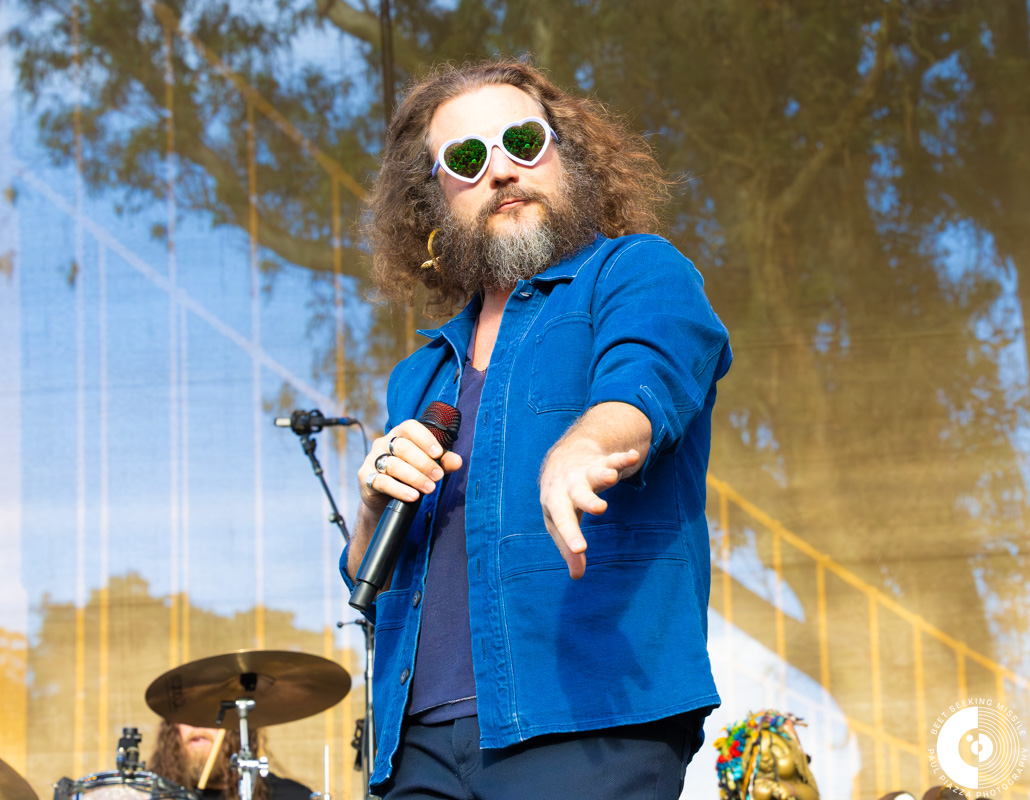
On Friday, My Morning Jacket played a rare daylight set and knocked it out of the park. They were extra sharp for the occasion, perhaps because they were preparing to embark on a seven-day headlining run at The Fillmore following this performance. During a 10-song set, they dipped into songs from six different records that ranged from softer sounds to blazing, heavy rock tunes.
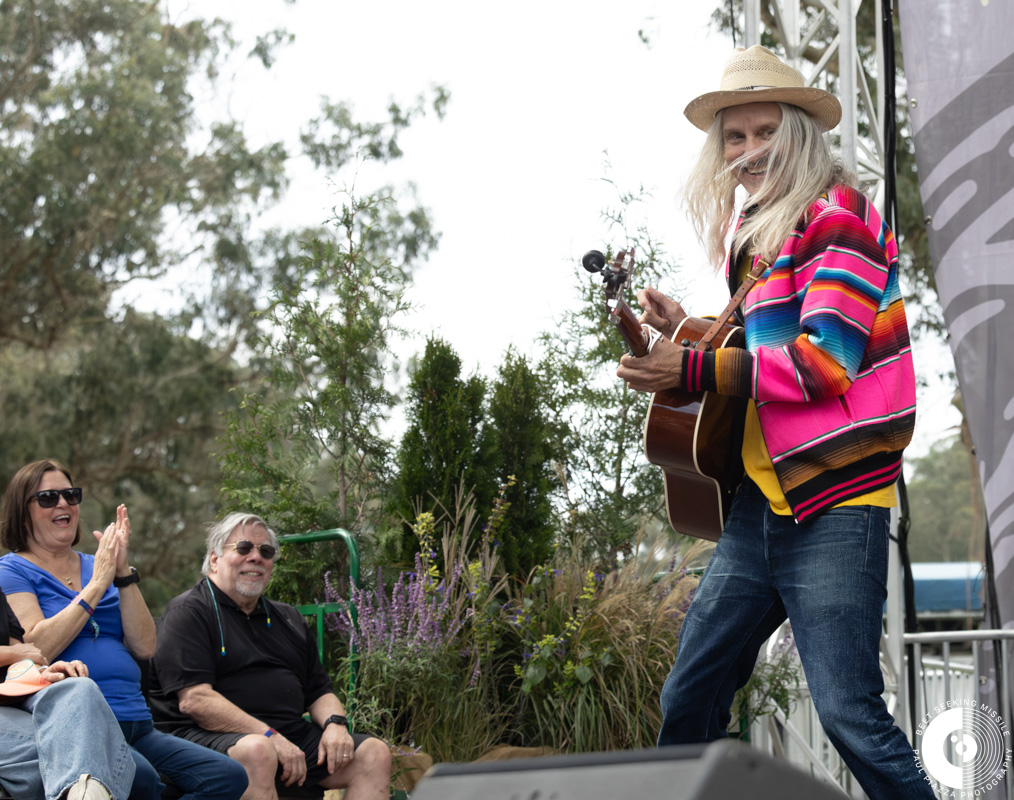
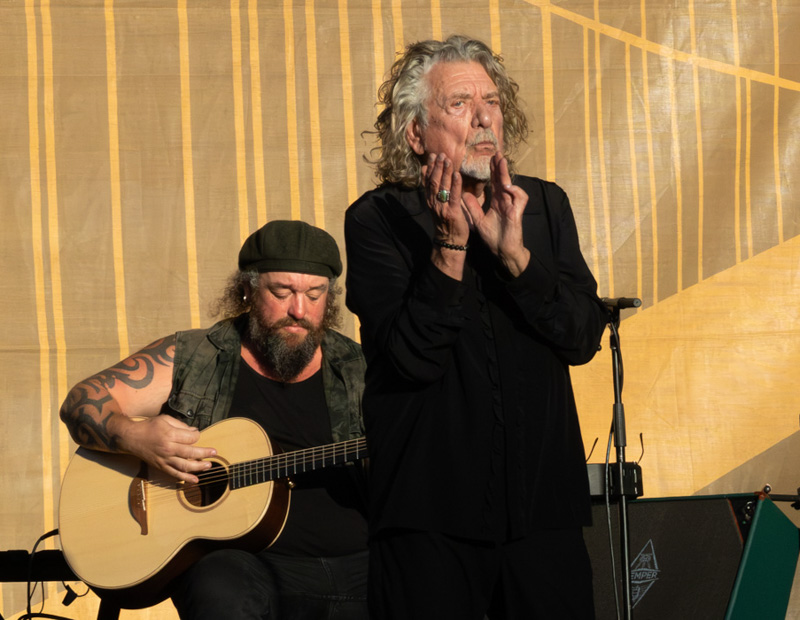
On Sunday, the seemingly immortal Robert Plant played a stirring set on that same stage with the band Saving Grace. Plant, who is 78, has evolved his music from the bombastic blues approach of Led Zeppelin to the his current group, which pursues roots and Americana sounds brilliantly.
Plant was in fine form throughout the performance. He even promised he’d be back at the festival when he was 80. He was witty and moving with grace, flicking his lionesque mane every once in a while during a delightful set. Of course, when he played a Led Zeppelin number, which he did on four different occasions, people went absolutely bonkers.
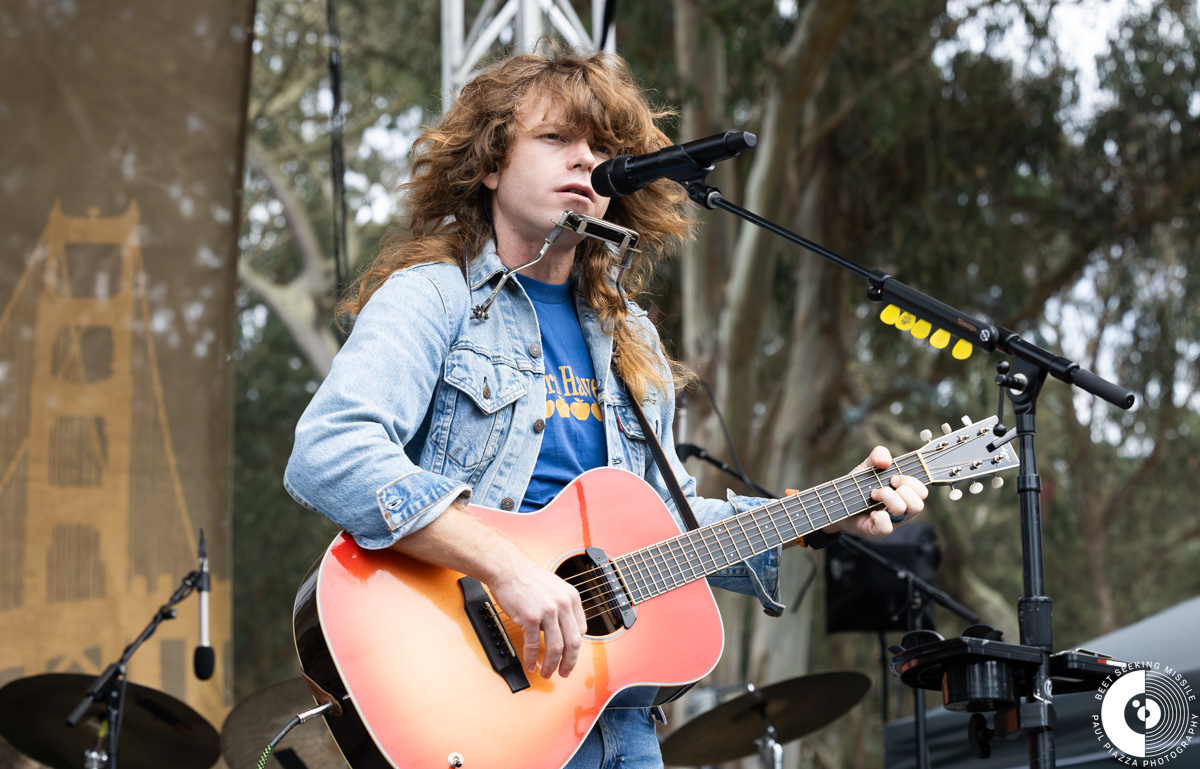
Earlier that same day, there had been a pretty landscape-altering set by the young folkie firebrand Jesse Welles. The politically-charged lyricist impressed the crowd with some incisive poetic songs that gave an honest glimpse into the fractured world we all inhabit at the moment. Welles energized the crowd with tunes like “War Isn’t Murder,” “Masks Off,” and “The Nerd Reich.” One could see people running through a gamut of emotions ranging from anger, to sadness, to outright joy that somebody could voice these subjects so well within their music. Accompanied by a smoking band, Welles played mostly originals but threw in a couple of thematic covers of Tom Petty’s “Won’t Back Down” and CCR’s “Who’ll Stop the Rain” for good measure. It was indeed a stirring set, and those covers were the icing on top.
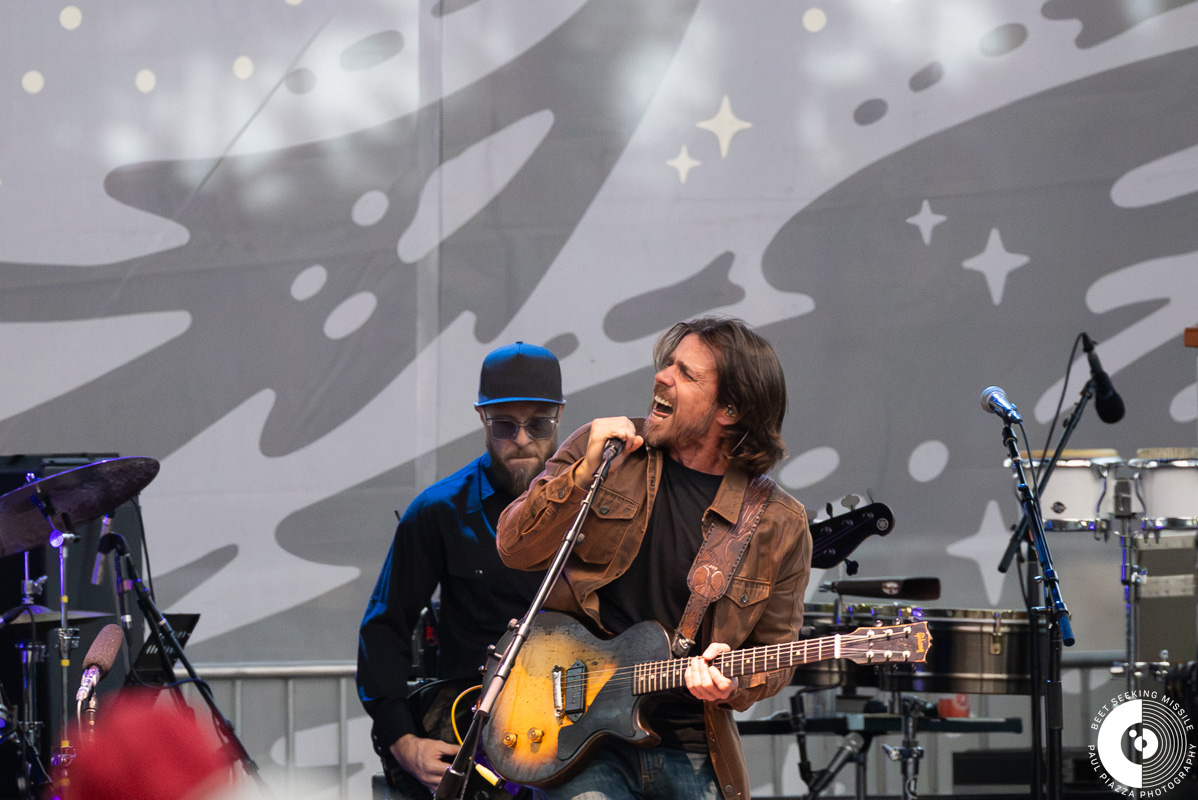
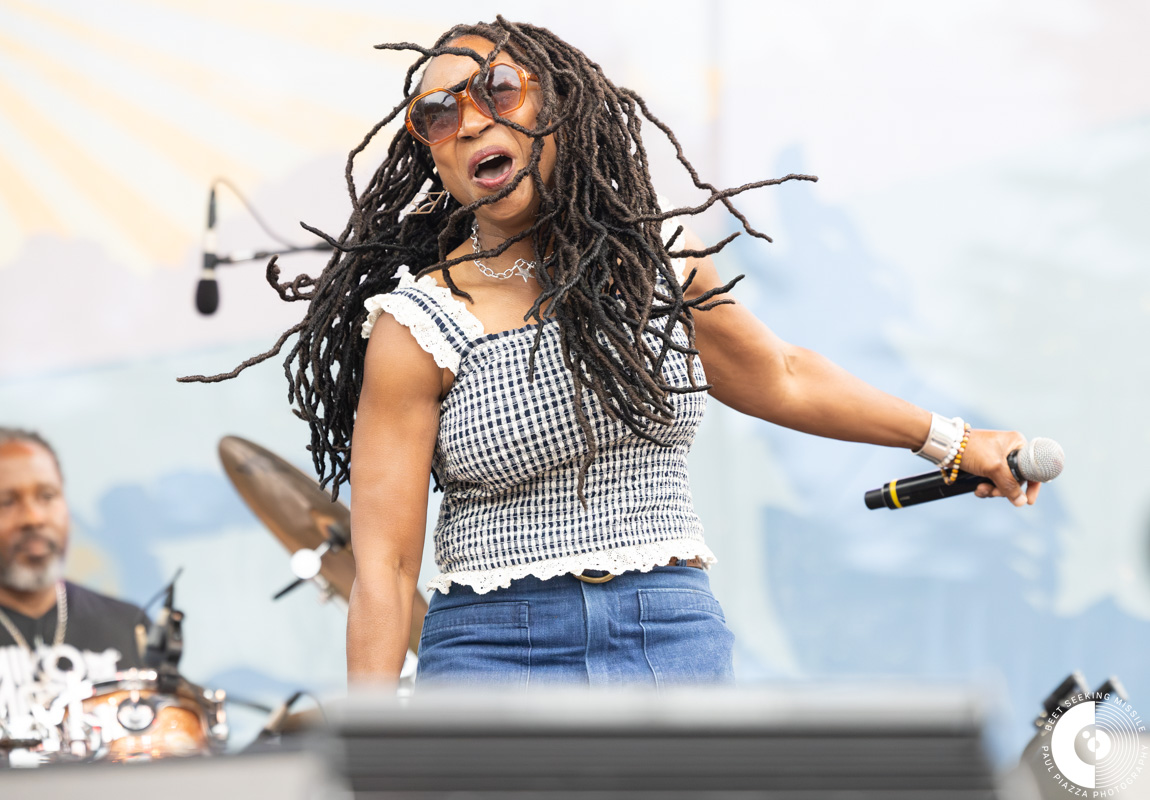
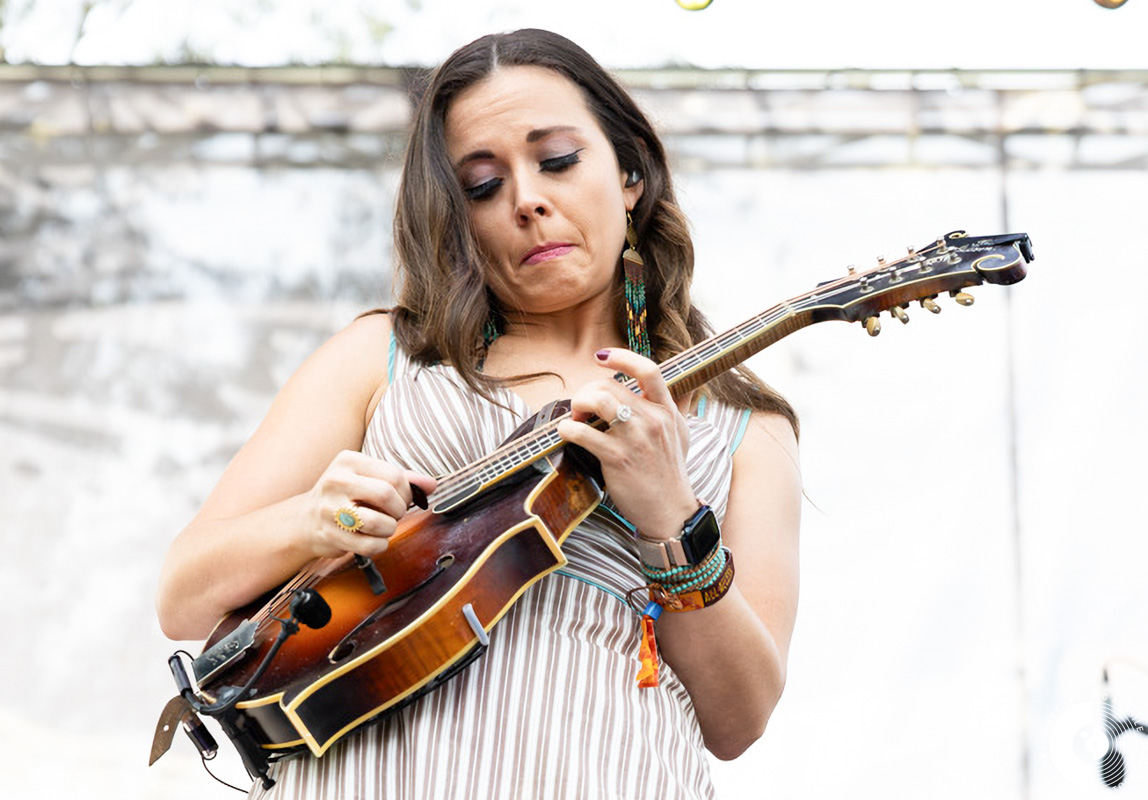
There were, of course, a number of fantastic bands whose names already ring in smaller and mid-sized venues around the country. Young bluegrass shredders Molly Tuttle, AJ Lee, and Sierra Hull all put on excellent shows. There were uptempo sets by Miko Marks, The Record Company, and Lukas Nelson, the son of one of the greatest living songwriters, Willie Nelson.
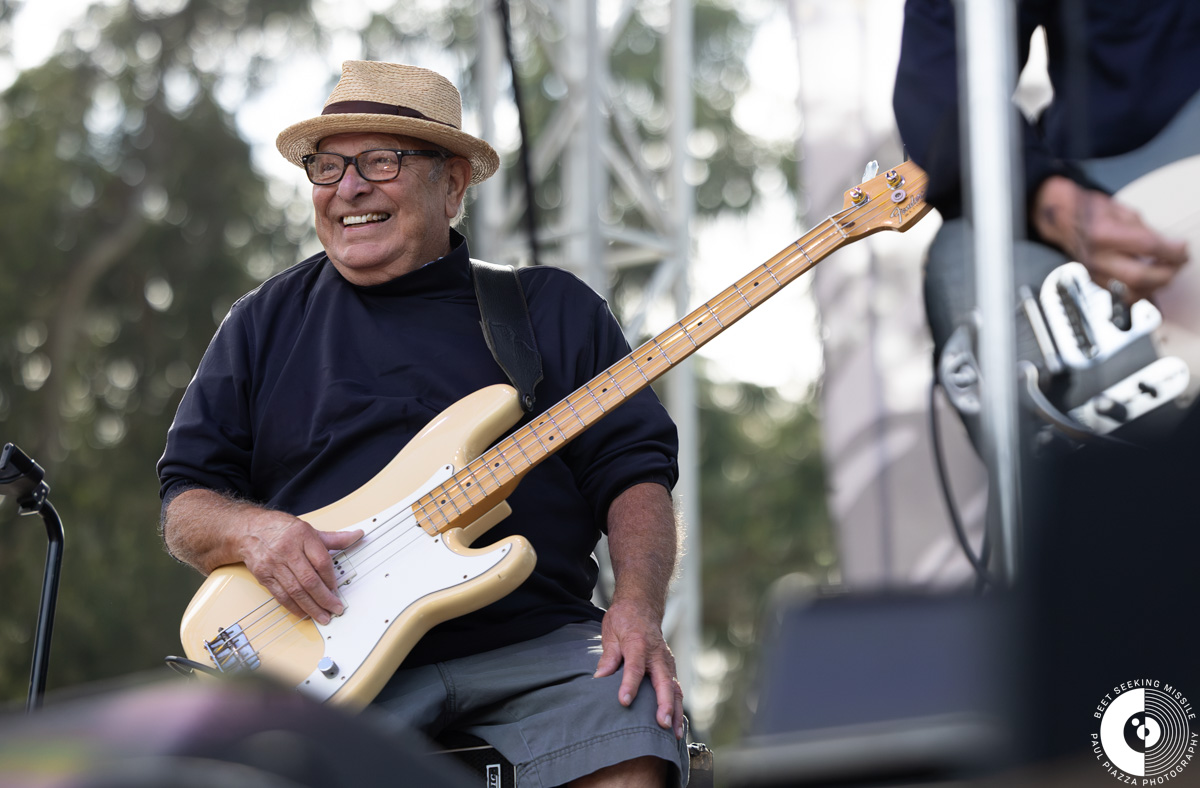
And as the new blood delivered the goods, they also showed respect with their set choices. The Record Company covered The Grateful Dead’s “New Speedway Boogie,” and Los Lobos delivered a fiery version of “Bertha” near the end of their set. There were also entire sets that were dedicated to recently passed legends. There were very thoughtful and touching tribute sets to both Joe Ely and Todd Snider, who both died within the last year. These featured all-star lineups.
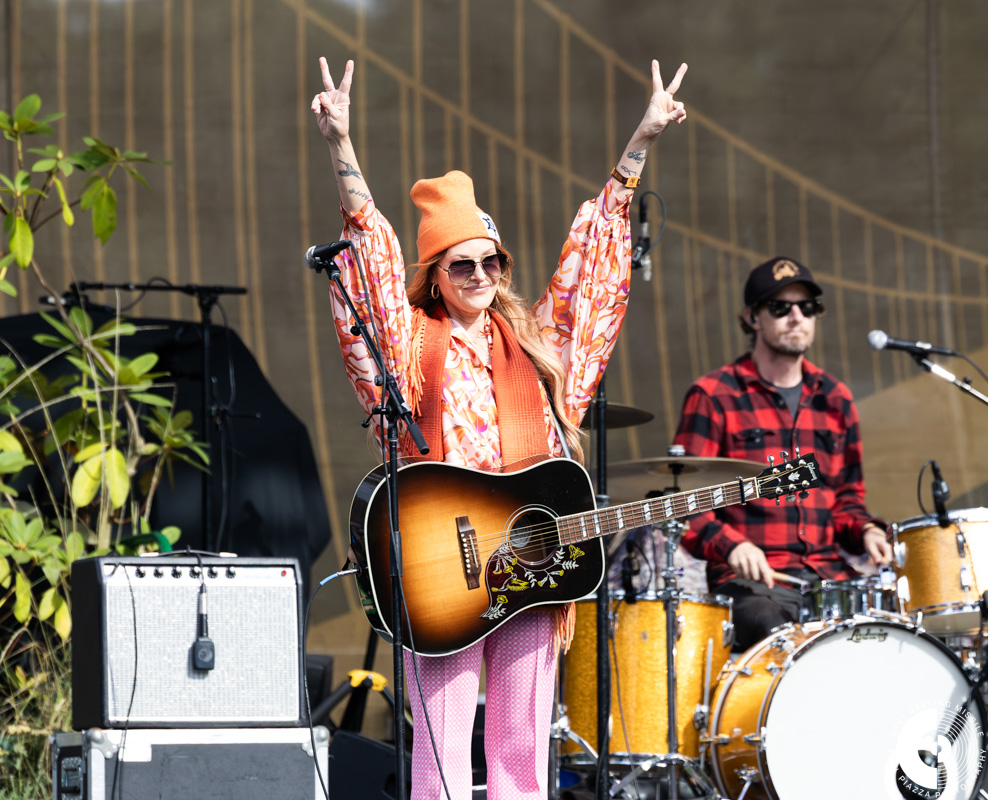
Many performers also included a tribute to Dolly Parton within their sets. Plant had some very kind words to say before dedicating the Led Zeppelin song “Friends” to her.” Gillian Welch and Dave Rawlings brought Peter Rowan to the stage and played a couple of Grateful Dead songs dedicated to Bob Weir, whose passing has saddened many around the world.
There were also great homages to fellow performers at the festival. Both Robert Plant and Emmylou Harris covered Gillian Welch’s “Orphan Girl.”
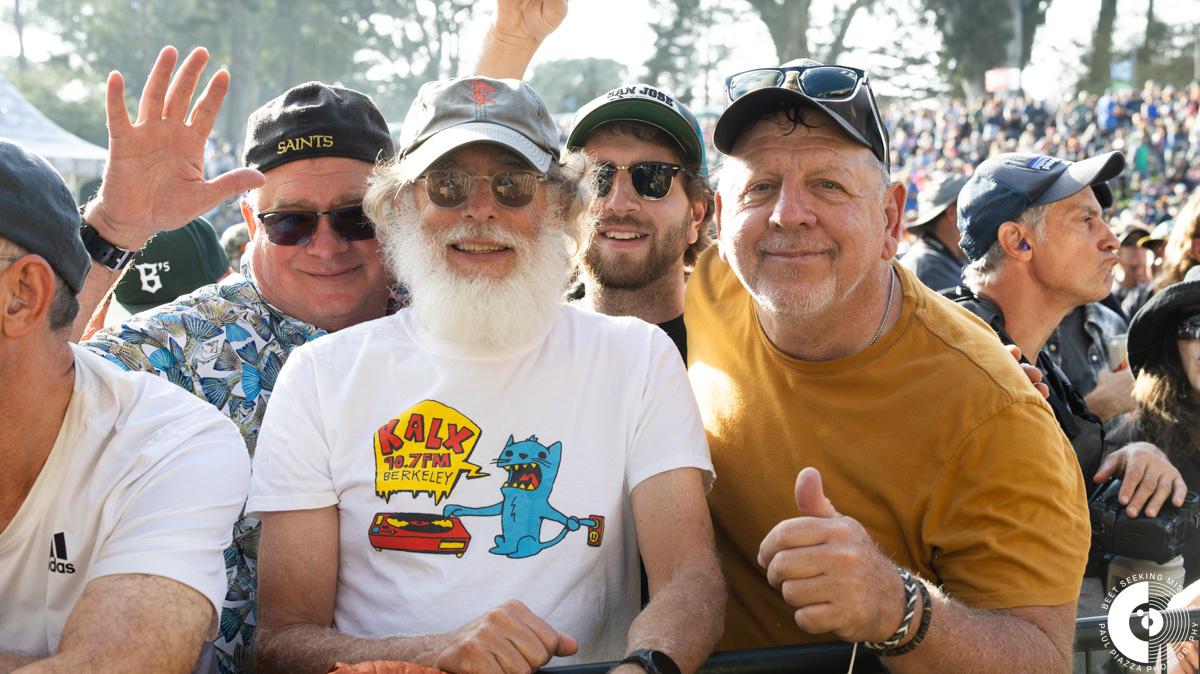
Naturally, by the end of the weekend, there was a lot to celebrate as well as a number of stirring remembrances of those we lost in the last year. So, as this free festival heads into its 27th year, it will likely continue notching up the emotional and historical music vibe of the planet from the spacious confines of Golden Gate Park and remain a festival like no other.
